

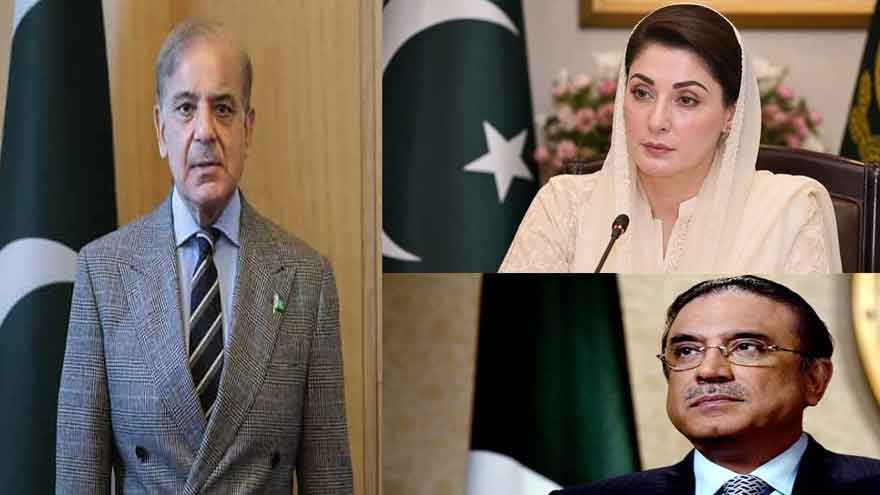

ISLAMABAD/LAHORE: Prime Minister Shehbaz Sharif and Punjab Chief Minister Maryam Nawaz Sharif have emphasised the need for early screening, timely medical intervention and public awareness to address the rapidly increasing prevalence of diabetes in Pakistan.
In his message on World Diabetes Day, observed on November 14, 2026, the prime minister said the rapid spread of diabetes was becoming a serious public health challenge in the country. He stressed that timely screening and medical intervention were essential to prevent complications and save precious lives.
Shehbaz Sharif said Pakistan was joining the international community in highlighting the importance of effective measures and mutual cooperation to prevent diabetes.
He noted that diabetes was a major public health challenge worldwide, affecting millions of people. In Pakistan, expanding access to early diagnosis and treatment facilities was essential to control the spread of the disease, he added.
The prime minister said the Prime Minister’s Diabetes Prevention and Control Programme had been formulated to address the disease, with the federal government allocating Rs6.8 billion for its implementation.
He said the programme aimed to expand screening for early detection, improve primary healthcare facilities and increase public access to diagnosis and treatment.
Shehbaz Sharif added that promoting healthy lifestyles, raising public awareness and ensuring effective coordination between federal and provincial governments were also among the programme’s priorities.
He urged citizens to adopt healthy lifestyles, consume balanced and nutritious diets, make exercise part of their daily routines and undergo regular medical check-ups and screening. He also advised people to seek timely medical advice from qualified healthcare professionals.
Meanwhile, Punjab Chief Minister Maryam Nawaz Sharif, in her special message on World Diabetes Day, described diabetes as a silent enemy that could be controlled through precautionary measures, awareness and a disciplined lifestyle.
She said the rising prevalence of diabetes in Pakistan required more effective measures, adding that the rapid spread of the disease was a cause for concern but could be addressed through collective efforts.
Maryam Nawaz said health was a fundamental right of every citizen and the Punjab government was taking steps to ensure healthcare facilities reached people at their doorsteps.
She said that, for the first time in history, insulin kits were being delivered to the homes of children suffering from Type 1 diabetes.
The chief minister added that millions of medicine boxes were also being delivered to the homes of patients suffering from diabetes and other diseases to ensure access to treatment facilities at their doorsteps.
Urging citizens to take responsibility for their health, she stressed the importance of adopting healthy lifestyles.
She said a balanced diet, regular exercise and continuous blood sugar monitoring were key to preventing and managing diabetes.
Maryam Nawaz maintained that the fight against diabetes was not solely the government’s responsibility but a collective duty of society. She said greater public awareness and the adoption of preventive measures could help curb the spread of the disease.
She added that this year’s World Diabetes Day was being observed under the theme “Diabetes and Well-being,” highlighting the importance of timely screening and medical treatment to prevent complications.
President Asif Ali Zardari has called on all Pakistanis to make prevention, healthy living and early diagnosis a national priority on World Diabetes Day.
In his message on the international day observed on 14 November, the president said this year’s theme, “Early Action on Diabetes”, underlines that timely action can save lives and prevent serious complications.
Citing the latest International Diabetes Federation estimates, the president noted that 34.5 million adults in Pakistan were living with diabetes in 2024, with more than one-quarter of them undiagnosed. He said the scale of the burden demands sustained action to protect public health and well-being.
The president said many cases of type 2 diabetes can be prevented or delayed through a balanced diet, regular physical activity, a healthy weight and avoiding tobacco. He urged citizens to reduce sugary drinks and limit foods high in sugar and unhealthy fats, and to make walking, exercise and sport part of daily life. He added that families and schools have a special responsibility to encourage healthy habits from childhood.
The president urged the federal and provincial governments, healthcare professionals, educational institutions, media and civil society to organise coordinated awareness campaigns throughout the year in Urdu and regional languages. These, he said, should offer simple, practical guidance on prevention, warning signs, and when and where to seek screening.
He said efforts should extend across Punjab, Sindh, Khyber Pakhtunkhwa, Balochistan, Islamabad Capital Territory, Gilgit-Baltistan and Azad Jammu and Kashmir, with particular attention to women, older persons, low-income families, and rural and remote communities. Lady Health Workers, basic health units and community organisations, he said, can help bring reliable information and screening closer to people’s homes.
Noting that diabetes can develop without obvious symptoms, the president said awareness campaigns should encourage people to seek professional advice about their risks and appropriate testing. He added that early diagnosis must be followed by affordable treatment and continuing care.
The president also stressed the need for public policies that support healthy living, including promoting nutritious and affordable food, healthier school meals, safe drinking water, and accessible spaces for walking and recreation, particularly for women and children.
“Let us turn awareness into everyday action,” the president said, adding that investing in prevention and helping people make healthier choices can reduce the burden of diabetes and help build a healthier Pakistan.