

Nowadays, many parents are concerned about their children’s health. A mother once told me that her son falls ill every few days despite taking great care of his diet. I asked what he usually eats. She said, “He doesn’t eat home-cooked meals much. He prefers store-bought snacks, chips, and soft drinks.” That’s when I understood why he gets sick so often.
In today’s world, where junk food and fast food have become a lifestyle, keeping children healthy has become a real challenge. Most children prefer processed foods over nutritious meals. The main reason is that they are not aware of what’s good or bad for their health. Parents must play a vital role in this matter. They need to teach their children the importance of health and nutrition — how eating right can make them stronger, more energetic, and happier.
A healthy child not only performs better in school but also becomes a more confident and active individual. However, to develop healthy habits in children, parents themselves must be role models. If parents eat unhealthy foods and lead sedentary lives, children will naturally follow the same pattern.
Below are a few simple but effective ways to help children become health-conscious:
1 – Awareness
Parents should help children understand what health means and why it is important. Tell them that eating nutritious foods, exercising regularly, and maintaining hygiene are the keys to good health. Explain in simple words what kind of foods are healthy and which ones are harmful. For example, compare junk food to “junk code” in computers — it may look fancy but slows down the system. Likewise, junk food weakens the body. Parents can make short, fun lessons or activities to make this concept easier for children to grasp.
2 – Physical Activity
Children should be encouraged to engage in regular physical activity. Running, cycling, swimming, and outdoor games are essential for their physical and mental development. Sadly, children nowadays spend too much time on mobile phones, computers, and TV screens. Parents must set limits on screen time and encourage outdoor play. Schools should also promote sports as a necessary part of the routine. Parents should play with their children and make exercise a family habit.
3 – Healthy Eating Habits
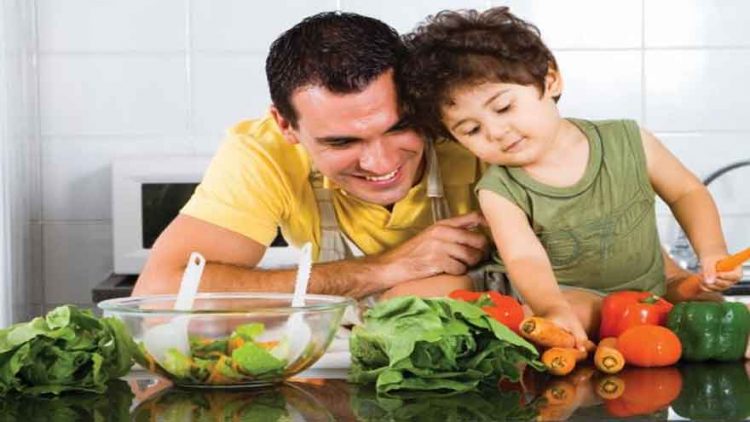
When children eat their meals with family, they learn social behavior and good eating manners. Parents should avoid feeding them while watching TV or using gadgets. Homemade food should be made appealing — pack colorful and nutritious lunches, use creative presentation, and involve children in meal preparation. This not only makes them interested in food but also teaches them the importance of healthy eating.
4 – Sleep
Children need proper sleep. Lack of sleep affects their growth, weakens their immune system, and harms their mental health. Overuse of gadgets is one of the main reasons for sleep deprivation. Parents should establish a fixed bedtime routine and ensure that children sleep on time.
5 – Personal Hygiene
To stay healthy, children must maintain personal hygiene. Teach them to bathe daily, brush their teeth twice a day, and wash their hands before and after eating. Cleanliness should be taught not as a chore but as a good habit and a sign of discipline.
6 – Bonding
Children learn best when they feel emotionally connected to their parents. When parents spend quality time with their children, they listen more and accept guidance more readily. Eat together, talk to them about their day, and praise them when they make healthy choices. Such positive reinforcement strengthens their emotional and physical health.
7 – Water
Encourage children to drink enough water every day. Many children prefer soft drinks, which are harmful. Parents should make it a rule to drink water frequently and carry their own water bottles to school. Teach them that water keeps the body clean and active.
8 – Appreciation
When children make healthy choices, appreciate them. Praise motivates them to continue good habits. For example, if your child eats vegetables instead of chips, tell them you’re proud of them. Positive encouragement helps children build lasting healthy habits.
9 – Parental Attention
Parents should show happiness when their children eat food. However, don’t force them to eat, as that will make them resist more. Encourage them to eat by setting an example — if parents eat the same food with enthusiasm, children are likely to imitate them and eat happily as well.
10 – Parents’ Habits
Parents’ habits greatly influence their children. If parents have a habit of eating breakfast and dinner together, it will automatically build the same habit in children. When parents skip meals due to work or lack of time, children often adopt the same unhealthy behavior. Parents should regularly have meals together so that children develop a balanced eating pattern.
11 – Keep Children Away from Advertisements
Children are heavily influenced by advertisements promoting unhealthy snacks and junk food. Parents should try to keep children away from such advertisements as much as possible. Encourage them to watch children’s programs that are ad-free.
12 – Lunch Box
Mothers should prepare lunch boxes filled with nutritious and appealing items. If the lunch box includes something new or colorful, children are more likely to eat it. A well-prepared lunch box ensures that children get the required nutrition and maintain good health. Foods containing Omega-3 fatty acids and Vitamin C are essential for brain function and memory.
13 – The Need for Social Skills
Along with healthy eating habits, it is equally important for children to develop social skills. These skills help them interact confidently in school and other settings. Children should be taught how to eat politely, share food, and respect others at the dining table.