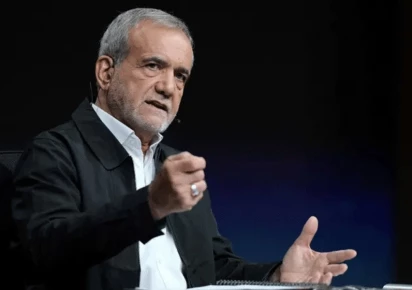

Iranian President Masoud Pezeshkian confirmed the killing of Iran’s Intelligence Minister Esmaeil Khatib, describing it as a “cowardly assassination.” The attack also claimed the lives of other top officials, including members of the Supreme National Security Council, their families, and senior military figures.
Israeli Defence Minister Israel Katz claimed responsibility for Khatib’s death. He stated that the Israeli military has been authorised to target senior Iranian officials without further approval. Prime Minister Benjamin Netanyahu echoed the position, promising to continue tracking high-level Iranian leaders.
In response, Iran launched missile strikes on Tel Aviv using cluster warheads, causing fires and casualties in the city. Iranian military officials warned that retaliation will continue for targeted assassinations, and Iran plans to hold funerals for key figures killed in the strikes, including former security chief Ali Larijani and Gholamreza Soleimani, head of the Basij paramilitary force.
The Kremlin condemned the killings as an attack on the leadership of a sovereign nation. Russia called for an immediate ceasefire and negotiations, while continuing intelligence and military cooperation with Tehran.
US President Donald Trump temporarily waived the century-old Jones Act to ease energy costs disrupted by the conflict. The waiver allows foreign-flagged vessels to transport cargo between US ports for 60 days. White House officials said the move aims to mitigate oil market disruptions caused by ongoing US-Israeli strikes on Iran, which began on February 28.
Iranian Foreign Minister Abbas Araghchi stated that Iran’s nuclear doctrine is unlikely to change despite the assassinations. He also warned that the Strait of Hormuz, a key global oil route, will remain restricted, threatening international energy supplies. The US has deployed heavy munitions to destroy Iranian missile sites along the coast to secure shipping routes, while NATO allies remain hesitant to intervene directly.
The escalation has driven global oil prices higher, with US gasoline prices up more than 27% since the start of the conflict. Analysts warn that economic and humanitarian repercussions across the Middle East and beyond are expected to intensify if hostilities continue.