
Fear is spreading across eastern Congo as a deadly Ebola outbreak continues to take more lives every day. Health officials say over 130 people have already died, while many others are suspected to be infected. Families are living in fear as the dangerous virus spreads through villages and crowded communities.
The outbreak is happening in eastern parts of the Democratic Republic of Congo, where hospitals and healthcare services are already weak. Many areas are struggling with poverty, violence, and lack of medical facilities, making it harder to control the disease quickly.
Doctors and aid workers say the situation is becoming more serious because the virus is spreading fast. Some people are unable to reach hospitals in time, while others do not realize they are infected until their condition becomes critical.
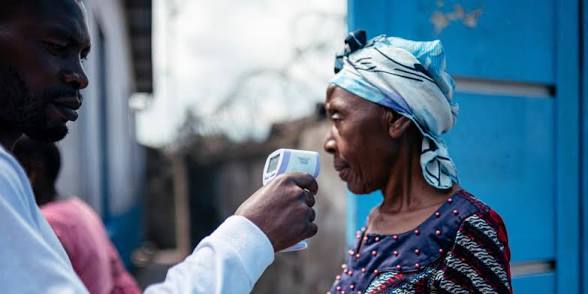
Ebola is a deadly virus that spreads through direct contact with infected bodily fluids. Symptoms usually include fever, weakness, vomiting, body pain, and severe sickness. In some cases, bleeding can also happen. Health workers are asking people to immediately report symptoms and avoid close contact with sick individuals.
Many communities are frightened because the disease can spread quickly among family members and caregivers. Reports suggest that funeral gatherings may have helped the virus spread faster, especially when infected bodies were handled closely during burial ceremonies.
Health experts believe the real number of cases could be much higher than official reports. Hundreds of suspected infections are still being checked, and officials fear the outbreak could continue growing if urgent action is not taken.
The World Health Organization has declared the outbreak a global health emergency because of concerns that the virus could spread to nearby countries. Cases have already appeared in neighboring Uganda, increasing fear across the region.
One of the biggest challenges is that this outbreak involves a rare strain of Ebola for which there is no approved vaccine available yet. This has made the work of doctors and health organizations even more difficult.
Hospitals in affected areas are under huge pressure. Medical workers are risking their own lives while treating patients, and some healthcare staff have also become infected during the outbreak. Shortages of medicine, safety equipment, and trained staff are making the crisis even harder to manage.
International aid groups are now sending emergency supplies, protective clothing, and medical teams to help Congo fight the outbreak. Temporary treatment centers are also being built to care for infected patients and stop the disease from spreading further.
Despite these efforts, controlling the outbreak remains difficult because some affected regions are facing violence and insecurity. In certain areas, medical teams cannot easily reach people who need help.
People across Congo are now hoping the outbreak can be controlled before more lives are lost. For many families, fear and uncertainty have become part of daily life as they wait for better medical support and safer conditions.