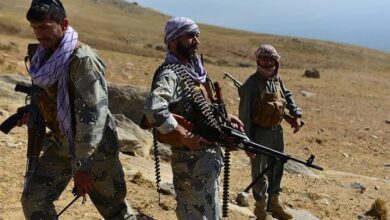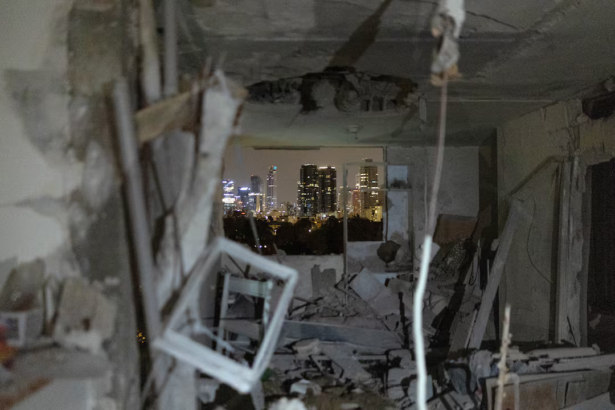

Tensions in the Middle East escalated further as Iran launched attacks on a gas plant in Qatar following Israel’s strike on Iran’s South Pars gas field. The strikes caused extensive damage to energy infrastructure in the region.
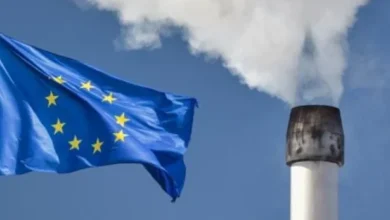
European leaders have refused to get involved in the U.S.-Israeli military operations against Iran. They described the conflict as unpredictable and expressed concern over its objectives. Germany’s Chancellor Olaf Merz said there is no clear plan for success and criticized Washington for not consulting European allies. “This is not our war,” Merz emphasized. French President Emmanuel Macron echoed this stance, stating that Europe is not a party to the conflict.
Meanwhile, the United States is reportedly weighing the deployment of additional troops to the Middle East. U.S. officials are exploring options to secure the safe passage of oil tankers through the Strait of Hormuz using air and naval forces. There are also discussions about potential ground operations on Iran’s Kharg Island, which handles the majority of the country’s oil exports. Sources caution that such missions carry significant risks due to Iran’s missile and drone capabilities.
U.S. President Donald Trump criticized Israel’s attack on South Pars and warned Tehran against targeting Qatar’s LNG facilities. The administration’s potential troop deployments aim to provide strategic flexibility in the region, but any ground action could spark political backlash domestically due to low public support for deeper U.S. involvement in the conflict.