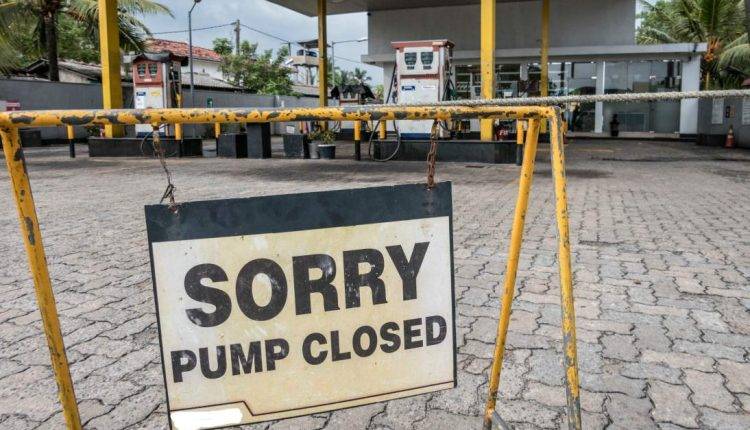

Petroleum dealers have stepped back from their earlier announcement to shut down fuel pumps across the country from March 26, opting instead to convene a nationwide meeting to determine their future course of action.
According to the 24NewsHD TV channel, the chairman of the Pakistan Petroleum Dealers Association, Abdul Sami Khan, said that a meeting of dealers from across the country would be held after March 26 to decide the next steps.
He maintained that operating petrol pumps on the existing margin of around two and a half rupees per litre was no longer feasible, stressing that dealers were demanding an increase to eight percent and would not accept anything lower.
He further said that the government had so far not shown willingness to engage in dialogue with petroleum dealers, adding that the general body meeting would now decide whether to proceed with a shutdown if their demands remained unmet.
Earlier, on March 13, the association had issued an ultimatum to the government to revise dealer margins to eight percent per litre of petroleum products by March 26, 2026, following a sharp increase of Rs55 per litre in petrol and diesel prices.
Addressing a press conference at the Karachi Press Club, Abdul Sami Khan had said that the situation would be reviewed after Eid-ul-Fitr to assess available options if the government continued to maintain margins at the current level of 2.59 percent, equivalent to around Rs8 per litre.
The association’s senior vice chairman, Malik Khuda Baksh, had clarified that no strike call had been given for March 27 but warned that the situation would be reassessed if their demands were not addressed by the deadline.
The dealers noted that their margins previously stood at 3.60 percent, or around Rs8 per litre, before the government significantly raised fuel prices earlier this month.
They argued that the increase in petrol and diesel prices had substantially raised their working capital requirements for procuring fuel from oil marketing companies.
According to the dealers, continuing operations under the current margin structure was no longer viable, making it essential for the government to revise margins upward to ensure sustainable business operations and an uninterrupted fuel supply.