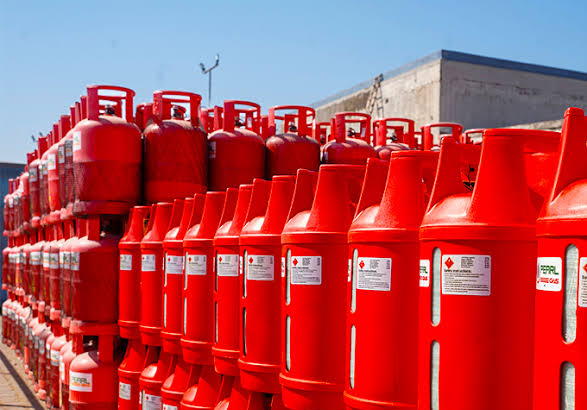

A major safety crisis has erupted in Pakistan’s gas cylinder sector as senators exposed shocking regulatory failures, revealing that while only 18 companies are officially registered nationwide, as many as 150 manufacturers are reportedly operating in a single district, raising serious concerns over unchecked illegal production and the rising number of deadly cylinder explosions.
The alarming disclosure came during a meeting of the Senate Standing Committee on Cabinet Secretariat, where lawmakers strongly criticized regulatory authorities for failing to control the spread of substandard and illegal gas cylinders across the country. Senators warned that the situation has become a direct threat to public safety, with frequent explosions continuing to cause loss of life and property.
Senator Aimal Wali Khan led the criticism, questioning the effectiveness of existing laws and highlighting a complete breakdown in enforcement. He stated that legislation alone is meaningless without implementation, asking who is responsible for enforcing safety standards and why repeated incidents continue despite regulations. He demanded a comprehensive, data driven report covering the history of gas cylinder usage, monthly consumption trends, and a decade long record of explosion incidents.
The committee raised serious concerns over the role of the Oil and Gas Regulatory Authority (OGRA), particularly its unclear enforcement powers and weak oversight. Members debated whether OGRA lacks authority or has failed to utilize its existing powers effectively, as illegal manufacturing and unsafe cylinders continue to flood the market without resistance.
Senator Saadia Abbasi delivered a strong rebuke of both legislative delays and executive inaction, calling the situation unacceptable. She questioned the absence of visible enforcement measures against illegal operators and demanded detailed data on FIRs registered, factories shut down, and shops sealed. Highlighting the lack of price regulation, she pointed out that gas cylinder prices vary widely between Rs. 5,000 and Rs. 15,000, indicating a completely unregulated market.
The committee further expressed concern over the widespread availability of substandard cylinders, stating that poor quality control and weak inspection mechanisms have created a dangerous environment for consumers. Members questioned whether locally manufactured cylinders meet any credible safety standards and warned that continued negligence could lead to further tragedies.
In response to the growing crisis, Senator Aimal Wali proposed the formation of a joint and empowered committee comprising members of both houses of Parliament along with OGRA officials to ensure coordinated action. He emphasized that the issue extends beyond a single regulator and requires direct government intervention at the highest level.
A senior parliamentary observer, speaking anonymously, described the situation as a “systemic failure where illegal operators thrive while regulators remain ineffective,” adding that “public safety has been compromised due to a lack of accountability.” Another source criticized the overall governance structure, stating that enforcement institutions appear “either unwilling or unable to control a rapidly expanding illegal market.”
In a separate development, the committee reviewed the Cannabis Control and Regulatory Authority (Amendment Bill), 2025, and unanimously rejected it after being informed that the authority itself does not support amendments at this early stage of its formation.
The committee also examined budget allocations under the Public Sector Development Programme (PSDP), reviewing expenditure patterns and development priorities under the Cabinet Division.