
Pakistan has stepped up efforts to assess its fertilizer availability and prevent potential shortages during upcoming cropping seasons, as global supply risks intensify due to the ongoing Iran conflict.
The review comes as policymakers in Islamabad grow increasingly concerned about the impact of geopolitical tensions on agricultural inputs. Disruptions around the Strait of Hormuz—a key global transit route—pose a significant threat to fertilizer trade, particularly as a large portion of urea and ammonia exports from Gulf countries pass through this corridor.
The government’s move comes at a critical time for the agriculture sector. Pakistan has stepped up efforts to assess its fertilizer availability and prevent potential shortages during upcoming cropping seasons, as global supply risks intensify due to the ongoing Iran conflict., and is preparing for the Kharif season, when major crops such as rice, cotton, and maize are sown. Ensuring timely fertilizer supply during this transition is essential to maintaining crop yields.
To address the situation, Federal Minister for National Food Security Rana Tanveer Hussain chaired a high-level meeting to evaluate current stocks and future demand. Officials noted that while Pakistan produces a substantial portion of its urea domestically—providing some insulation from global shocks—international developments could still influence local prices.
According to an official statement, the minister reiterated the government’s commitment to maintaining a steady and affordable supply of fertilizers as part of its broader food security strategy. He directed relevant authorities and industry stakeholders to improve coordination, ensure transparency across supply chains, and take early action to prevent shortages during peak demand periods.
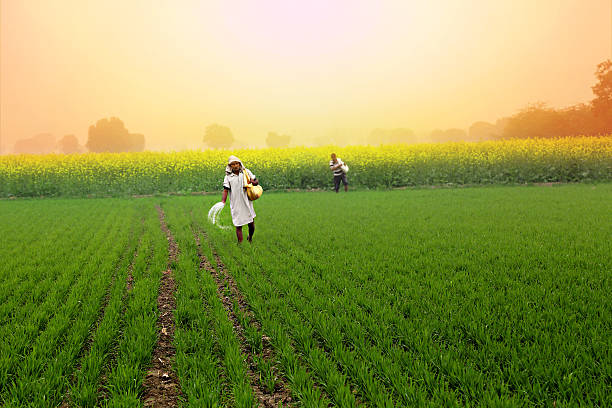
Participants in the meeting reported that the Rabi season has so far remained stable, supported by adequate inventories and consistent distribution. However, concerns were raised about future pressures, particularly related to gas shortages that could affect domestic production capacity, as well as the need to maintain sufficient buffer stocks ahead of the Kharif planting season.
Officials also highlighted the likelihood of increased fertilizer demand in the coming months, driven by relatively improved farm economics. At the same time, rising input costs and reduced purchasing power among farmers could limit fertilizer usage, potentially impacting agricultural productivity.
Another issue discussed was the risk of smuggling, fueled by the widening gap between domestic and international fertilizer prices. Authorities stressed the importance of stricter monitoring and enforcement measures to ensure that local supplies remain available for farmers.