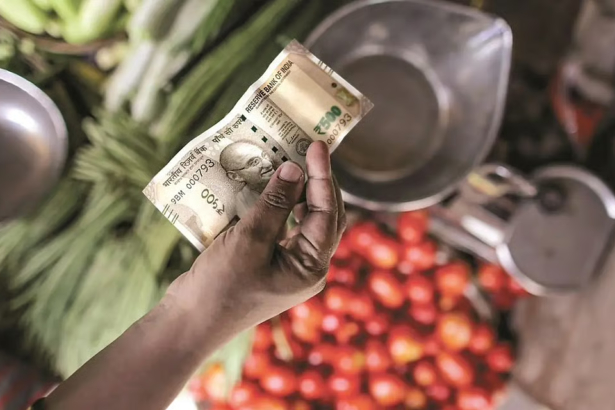

India’s retail inflation climbed to 3.40% in March, up from 3.21% in February, as food prices pushed the index higher. Government data released on Monday showed that while inflation remains below the Reserve Bank of India’s target of 4% and within its tolerance band of 2% to 6%, risks from the Middle East conflict loom large over the country’s economic outlook.
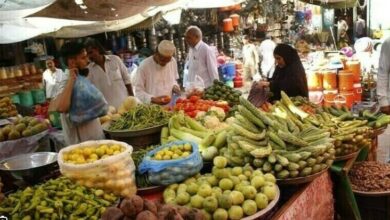
Food inflation rose to 3.87% in March compared with 3.47% in February, reflecting higher costs for essential items. Analysts say the fragile two-week ceasefire in the Middle East has done little to ease concerns, especially after President Donald Trump announced that the U.S. Navy would begin blocking ships to and from Iran through the Strait of Hormuz. The move raised fears of further disruptions to global energy supplies.
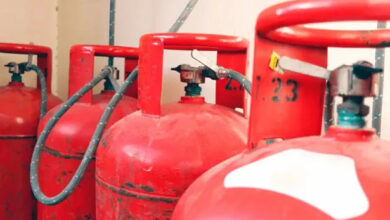
Oil prices surged more than 7% to reach $100 a barrel, a development that could weigh heavily on India’s economy. With nearly 90% of its oil imported, India remains one of the most vulnerable economies to prolonged energy shocks. Rising fuel costs feed directly into inflation, affecting transportation, manufacturing, and household budgets.
The Reserve Bank of India last week kept its key policy rate unchanged but warned of mounting risks. Officials said the Middle East crisis threatens to reverse the “Goldilocks” phase of steady growth and moderate inflation that India enjoyed in recent quarters. The central bank cautioned that both lower growth and higher inflation could define the months ahead.
In its first economic forecast for the current financial year, the RBI projected GDP growth to slow to 6.9% in 2026-27, down from an estimated 7.6% in the year that ended March 31. Average inflation is expected to rise to 4.6% during the ongoing fiscal year, reflecting the impact of global energy volatility and domestic price pressures.
Economists argue that India’s resilience will depend on how quickly global energy markets stabilize. A prolonged blockade of Iranian oil exports could tighten supply further, pushing prices higher and straining India’s external accounts. The government faces the challenge of balancing inflation control with growth support, particularly as households already feel the pinch of rising food and fuel costs.
The inflation print of 3.40% in March came in slightly below the 3.48% projection from a Reuters poll, suggesting that while price pressures are rising, they remain contained for now. However, the risks ahead are significant. Any escalation in the Middle East conflict could push oil prices higher, making it harder for India to maintain stability.
For policymakers, the priority will be to safeguard growth while keeping inflation within manageable limits. The RBI’s cautious stance reflects the uncertainty of the global environment and the need to prepare for potential shocks. As India navigates this period of volatility, the trajectory of inflation will remain a key indicator of economic health.