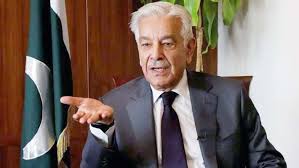

Defence Minister Khawaja Asif has said that another round of US-Iran talks is expected soon, expressing cautious optimism over what he described as “constructive progress” following high-level negotiations held in Islamabad.
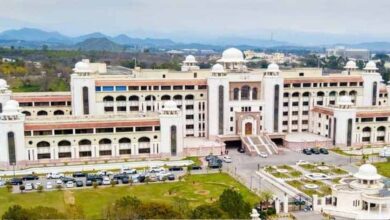
Speaking outside Parliament House on Monday, Asif said the recent 21-hour-long discussions between Washington and Tehran ended without a final agreement, but there were no negative developments, adding that the overall diplomatic atmosphere remained positive.
He noted that both sides had shown willingness to continue engagement. “There is satisfaction that dialogue has not broken down, and efforts are still moving forward,” he said, indicating that further talks could be scheduled in the near future.
The minister’s remarks came a day after intensive negotiations between the United States and Iran concluded in Islamabad without resolving key disputes. Despite the lack of a breakthrough, mediators described the process as substantive, with several areas of tentative convergence reported.
According to officials, US Vice President JD Vance acknowledged the extended efforts but confirmed that no agreement had been reached, describing the outcome as disappointing for Tehran more than Washington. He also appreciated Pakistan’s role in facilitating the dialogue.
Iran, however, maintained that it had engaged in good faith. Foreign Minister Abbas Araghchi accused the United States of undermining progress at a critical stage, arguing that the two sides had come close to an understanding before the talks collapsed.
The negotiations are part of broader efforts to de-escalate tensions stemming from the ongoing conflict involving Iran and Israel, which has already caused heavy casualties and regional instability. Iran’s Supreme Leader Ali Khamenei has remained a central figure in Tehran’s wartime posture and diplomatic messaging throughout the crisis.
US President Donald Trump also thanked Pakistan for hosting the talks, while indicating that Washington would continue its pressure campaign, including heightened maritime measures in the Strait of Hormuz following the failed breakthrough.
Pakistan has emerged as a key diplomatic facilitator in the process, hosting not only the bilateral talks but also broader regional consultations aimed at stabilizing the Middle East. Officials say Islamabad’s mediation efforts are being viewed internationally as a rare channel keeping dialogue alive amid escalating tensions.