
Pakistan’s inflation rate is expected to rise sharply in April 2026, with estimates suggesting it could reach between 11% and 11.5% on a year-on-year basis, according to a report released by Topline Securities on Monday. The projected increase is largely attributed to a steep rise in fuel prices driven by ongoing geopolitical tensions in the Middle East.
If realized, the April figure would represent the highest monthly inflation reading in nearly two years, a notable jump from 7.3% recorded in March. The anticipated surge signals a reversal of the recent easing trend in consumer prices and highlights renewed pressure on the economy.
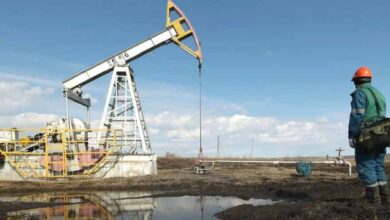
Analysts point to a significant increase in petroleum prices as the primary driver. Petrol prices have climbed by nearly 18% during the month, while high-speed diesel has surged by more than 50%. These increases have had a cascading effect on transportation and production costs, contributing to broader inflationary pressures across multiple sectors.
The spike in fuel costs follows escalating tensions involving Iran, the United States, and Israel, which have disrupted global oil markets. As a result, international crude oil prices have crossed the $100 per barrel mark, feeding directly into Pakistan’s domestic price structure.
On a month-on-month basis, inflation in April is projected to rise by approximately 2.65%. The transport sector is expected to see the sharpest increase, with prices forecast to jump by over 22%, reflecting the direct impact of higher fuel costs.
In addition to fuel, housing and utility expenses are also likely to push inflation upward. Prices of liquefied petroleum gas (LPG) have increased significantly, while electricity tariffs have inched up due to fuel cost adjustments and quarterly revisions.
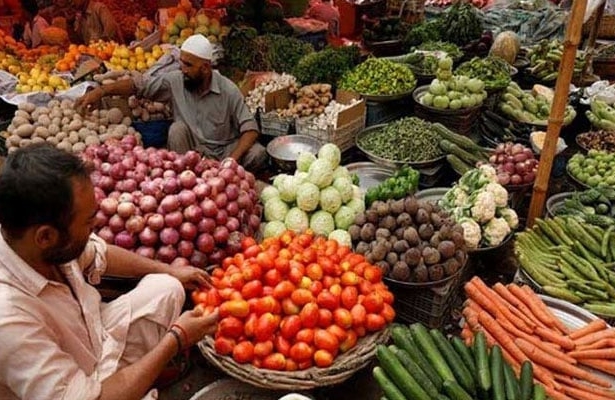
However, there may be some relief from the food sector. Prices of key staples such as wheat and fresh fruits have shown a downward trend, which could help offset rising costs in vegetables and poultry to some extent.
Despite this partial moderation in food prices, economists warn that the overall inflation outlook remains concerning. Persistently high energy costs could erode household purchasing power and place additional strain on consumers already grappling with economic uncertainty.
The report further cautions that if inflation rises as expected, real interest rates could slip back into negative territory for the first time in over two years. Such a development would pose fresh challenges for policymakers, particularly in balancing inflation control with economic growth.