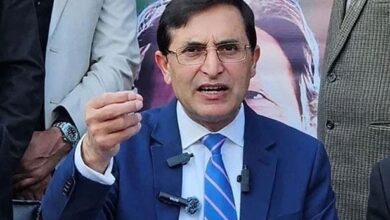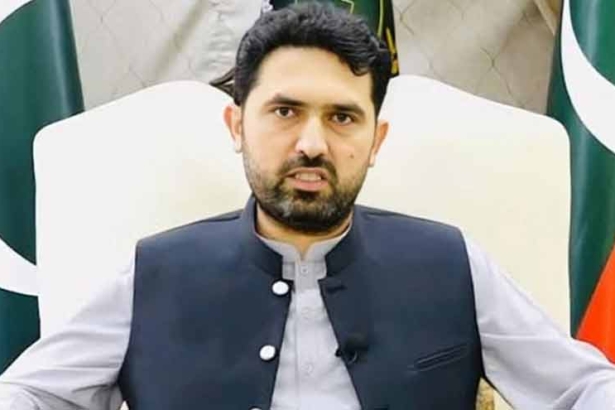

Chief Minister of Khyber Pakhtunkhwa Sohail Afridi has announced that the province’s upcoming 2026–27 budget will prioritize youth, low-income groups, and the middle class, signaling a strong focus on inclusive development.
Chairing a high-level meeting of the Planning and Development Department in Peshawar, the chief minister reviewed a wide range of new development proposals across key sectors, including energy, agriculture, housing, and local governance.
Among the major initiatives under consideration is the expansion of safe city projects to multiple urban centers such as Kohat, Mardan, and Peshawar, along with the province’s merged districts, aiming to enhance public safety through modern surveillance systems.
The chief minister also directed authorities to relocate the existing grain storage facility in Peshawar and replace it with a modern warehouse, alongside plans to establish advanced storage units in divisional headquarters.
Focus was also placed on strengthening law enforcement infrastructure, including upgrades to police stations, prisons, and the Special Branch, as well as the establishment of district-level Counter Terrorism Department (CTD) units.
Energy development remained a key priority, with proposals for mini solar grids in merged districts and the revival of micro hydropower projects in Tirah. Plans for new electricity feeders and a 22-megawatt hydropower project in Patrak Shringal were also reviewed.
In a push toward sustainability, the chief minister ordered the solarization of all government offices and households in merged districts, while also seeking a three-year strategy to expand forest cover and strengthen environmental protection measures.
Economic empowerment initiatives featured prominently, including the promotion of e-commerce, establishment of small industrial estates, and provision of financial support to youth-led businesses. Interest-free loans for horticulture and modern skills training programs were also emphasized.
Additionally, proposals were discussed to improve livestock management through real-time disease monitoring systems, introduce biogas projects, and accelerate the implementation of an animal rights policy.