
Amid rising pressure on Pakistan’s economy due to global geopolitical tensions, particularly the US–Iran conflict, local oil refineries have agreed to keep the prices of kerosene oil and jet fuels unchanged for key government and defense uses.
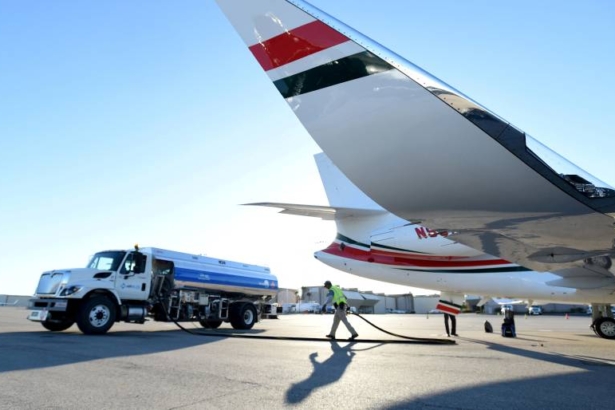
According to official and industry sources, refineries have decided to maintain the prices of kerosene (SKO) and military-grade jet fuels (JP-1 and JP-8) at the levels recorded on March 1, 2026. The decision will apply to supplies for the Pakistan Armed Forces, the Pakistan Air Force, and special Hajj flight operations.
Sources said the arrangement is expected to cost the refinery sector an estimated Rs8 billion in losses due to selling fuel below current market rates.
The government had reportedly urged refineries to provide relief by fixing prices at earlier levels, citing increased demand from defense and essential aviation operations. The refineries, after consultations, agreed to support national requirements under the revised pricing mechanism.
In a formal communication sent to refinery CEOs following meetings at the Petroleum Division, it was confirmed that SKO and JP-8 would be supplied to the armed forces at March 1 price levels. Similarly, JP-1 fuel for Hajj flights will also be provided at the same benchmark price. The arrangement will remain in effect until the end of the current fiscal year on June 30, 2026.
Kerosene remains an important fuel for Pakistan’s defense logistics, especially in remote and mountainous regions. Meanwhile, global oil markets have experienced sharp volatility amid ongoing geopolitical tensions, pushing jet fuel prices higher worldwide and straining aviation operations.
Pakistan, which relies on imports for nearly 80% of its petroleum needs, has been particularly affected by the recent surge in global energy prices. The country sources most of its crude oil and refined products from Gulf nations, including Saudi Arabia, the United Arab Emirates, and Kuwait.
Kuwait has recently resumed diesel supplies to Pakistan to help ease pressure during the supply crunch, while Saudi Arabia continues to provide oil on deferred payment arrangements.
Prime Minister Shehbaz Sharif has also highlighted the severity of the situation, noting that Pakistan’s weekly oil import bill has risen sharply from around $300 million to nearly $800 million, reflecting growing external account pressures.