
Russia has publicly expressed strong support for Pakistan’s diplomatic role in easing tensions between Iran and the United States, amid ongoing geopolitical friction in the Middle East.
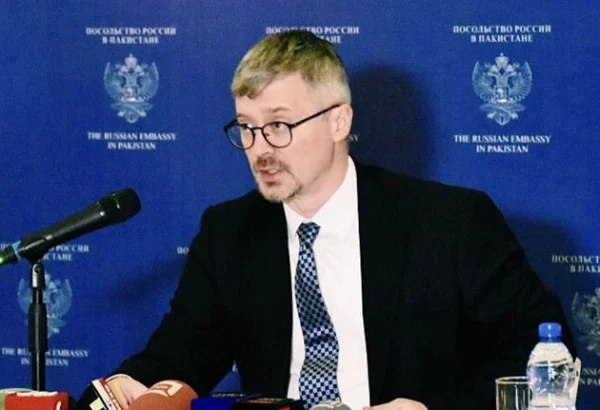
Speaking at a press conference in Islamabad, Russia’s ambassador to Pakistan, Albert Khorev, said Moscow views Pakistan’s mediation efforts between Washington and Tehran as “positive and constructive” for regional stability.
He emphasized that Russia supports all initiatives that could help address concerns of both the United States and Iran, and reduce escalating tensions in the region. According to him, dialogue and diplomacy remain the only sustainable path toward peace.
“Russia will support all steps that help resolve concerns on both sides and contribute to lowering tensions in the region,” the ambassador stated, highlighting Moscow’s consistent call for negotiated solutions instead of confrontation.
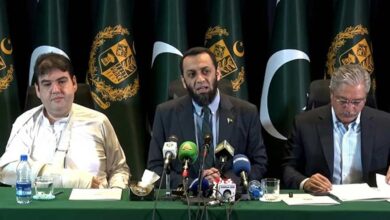
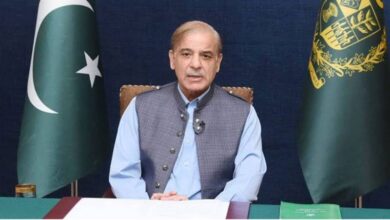
The comments come at a time when Pakistan has increasingly been seen as a potential diplomatic bridge between competing global powers, particularly in sensitive regional disputes involving Iran and the United States.
During the briefing, the Russian envoy also addressed recent media reports claiming alleged recruitment activities linked to Russia in Pakistan. He dismissed the reports as unverified and inconsistent, stating that the individual mentioned had not even applied for a Russian visa at the embassy.

He added that Pakistani authorities are currently investigating the matter and expressed confidence that the facts would soon become clear.
The ambassador further commented on the ongoing Russia–Ukraine conflict, saying that international media coverage often focuses more on Ukrainian losses while underreporting Russian casualties. He maintained that Russia remains committed to achieving its strategic objectives in the conflict and is prepared for all possible scenarios.
Moscow has repeatedly positioned itself as a supporter of multipolar diplomacy, often aligning with countries advocating negotiation-based solutions in global conflicts. Its endorsement of Pakistan’s mediation role is being viewed by analysts as another signal of shifting diplomatic alignments in the broader Eurasian and Middle Eastern geopolitical landscape.
As tensions continue between Tehran and Washington, Pakistan’s potential role as a mediator—now backed by Russia—adds a new dimension to already complex international diplomacy, where multiple powers are seeking influence over the direction of future negotiations.