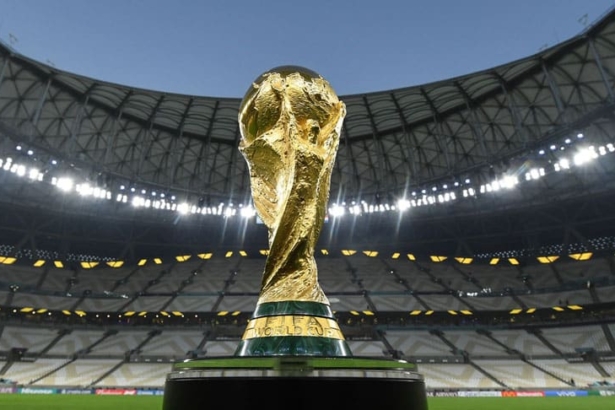

The UEFA has announced a major overhaul of its qualification structure for the FIFA World Cup 2030, introducing a new two-tier system designed to increase competition, fairness, and excitement across European international football.
The revamped format will feature a “League 1” consisting of 36 top-ranked European nations, selected through the restructured 2028/29 UEFA Nations League standings. These teams will be divided into three groups of 12, where each side will play six matches against different opponents drawn from seeded pots.
The top-performing teams from each group will directly qualify for the World Cup, while remaining qualification spots will be decided through play-offs, ensuring that even strong sides that fall short still have a pathway to the global tournament.
Below them, 18 lower-ranked nations will compete in “League 2,” where they will also retain a chance to qualify for the World Cup through an alternative route, keeping the competition open and competitive across all levels.
UEFA president Aleksander Čeferin described the new structure as a significant step forward in improving the quality and appeal of international football.
“The new formats will improve competitive balance, reduce the number of dead matches, and offer a more dynamic competition for fans,” Čeferin said. He added that the system ensures fairness without adding extra pressure on the international calendar.
Under the new structure, UEFA’s Nations League will also undergo major changes. Instead of four divisions, it will now be reduced to three leagues of 18 teams each, with every league divided into groups of six.
Teams will play a mix of home and away fixtures, facing opponents from different seeding pots, while also continuing traditional promotion and relegation play-offs. The knockout stages, including the Final Four format, will remain unchanged.
Officials believe the restructuring will modernize European international football and create more meaningful matches, while also increasing commercial value and fan engagement.
As preparations for the 2030 World Cup cycle begin, UEFA’s bold new system marks one of the biggest structural changes in international football qualification in decades.