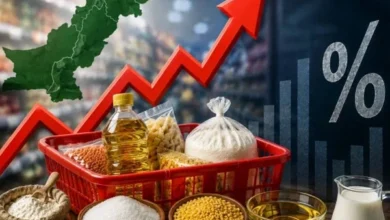

Pakistan’s weekly inflation registered a modest decline during the latest reporting period, offering some relief to consumers. However, the cost of several essential food items continued to rise sharply, keeping pressure on household budgets despite the overall slowdown in inflation.
According to the latest figures released by the Pakistan Bureau of Statistics (PBS), weekly inflation, measured through the Sensitive Price Indicator (SPI), declined by 0.98 percent compared to the previous week. On an annual basis, the overall inflation rate stood at 13.52 percent.
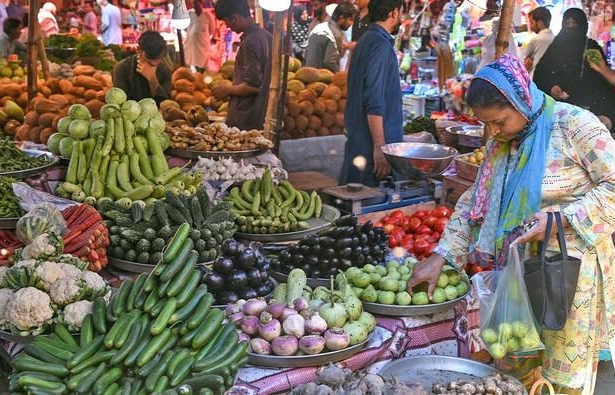
Despite the weekly decline, prices of 23 essential commodities recorded increases during the period under review. The most significant surge was witnessed in tomato prices, which soared by 125.40 percent in a single week. Onion prices also increased by 10.72 percent, while potatoes became 10.06 percent more expensive.
The PBS data further showed that the prices of eggs rose by 8.32 percent, while flour became costlier by 5.08 percent. Other commonly used food items, including milk, yogurt and rice, also recorded price increases, adding to the financial burden on consumers already struggling with high living costs.
Meanwhile, the report highlighted price reductions in several commodities. Chicken prices declined by 1.97 percent, while bananas became cheaper by 1.44 percent. Consumers also received some relief as the prices of pulses, sugar, petrol, liquefied petroleum gas (LPG) and garlic registered decreases during the week.
Economists say fluctuations in the prices of perishable food items, transportation costs and seasonal supply conditions continue to influence weekly inflation trends. They note that while the overall decline in weekly inflation is a positive sign, persistent increases in the prices of essential food products remain a major concern for households across the country.
The weekly inflation report is closely monitored by policymakers and financial markets as it provides an important indicator of short-term price movements and their impact on consumers.