
Pakistan is expected to witness a significant rise in the adoption of electric vehicles (EVs), with the total number of EVs on the country’s roads projected to reach approximately 2.2 million by 2030, according to a briefing presented to the Senate Standing Committee on Industries and Production.
During the committee meeting, officials highlighted the government’s ongoing efforts to accelerate the transition toward cleaner and more sustainable transportation through the implementation of the Electric Vehicle Policy. The policy aims to reduce dependence on imported fossil fuels, lower carbon emissions, and encourage local manufacturing of electric vehicles.
The briefing revealed that Pakistan has already made notable progress in domestic EV production. So far, more than 12,800 electric vehicles and around 160,000 electric motorcycles have been manufactured locally, reflecting growing interest from both manufacturers and consumers.
Officials informed the committee that the government has earmarked Rs9 billion in subsidies to support the purchase of two- and three-wheeled electric vehicles. The financial assistance is intended to make electric transportation more affordable and promote widespread adoption across the country.
Under the subsidy programme, eligible buyers of electric motorcycles are receiving Rs80,000 per vehicle, reducing the upfront cost and encouraging consumers to switch from conventional fuel-powered bikes to environmentally friendly alternatives.
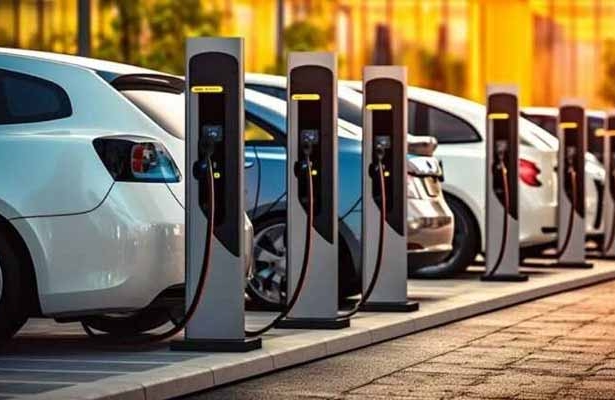
The committee was also briefed on the broader objectives of the Electric Vehicle Policy, which include expanding local manufacturing capacity, creating employment opportunities, attracting private investment, and developing the infrastructure required for electric mobility, including charging stations.
Officials expressed confidence that the policy, combined with financial incentives and increasing public awareness, would help accelerate the shift toward electric transportation and contribute to Pakistan’s environmental and energy security goals over the coming years.
The government’s push for electric mobility is seen as part of a wider strategy to modernize the transport sector, reduce fuel import costs, and support the country’s commitments to tackling climate change.