
ISLAMABAD: The Economic Coordination Committee (ECC) has postponed a decision on fixing the tariff for indigenous natural gas supplied to liquefied natural gas (LNG)-based power plants after senior officials of the Petroleum Division failed to attend a key meeting, raising concerns among the country’s top economic managers.
According to officials familiar with the proceedings, the Petroleum Division had sought approval for charging a higher tariff on locally produced gas that was diverted to LNG-fired power plants during the recent disruption in LNG supplies caused by tensions in the Middle East. However, the proposal could not be considered as the Petroleum Secretary, who had submitted the summary, and the Special Secretary Petroleum were both absent from the meeting.
ECC members reportedly expressed dissatisfaction over the absence of the senior officials, noting that the committee could not make an informed decision without the presence of the ministry responsible for the proposal. As a result, the matter was deferred until the Petroleum Division provides the necessary briefing and clarification.
The committee also directed all ministries and divisions to ensure that their principal accounting officers personally attend ECC meetings whenever their summaries are placed before the forum, stressing that such participation is essential for timely and informed decision-making.
Gas diverted to avoid power shortages
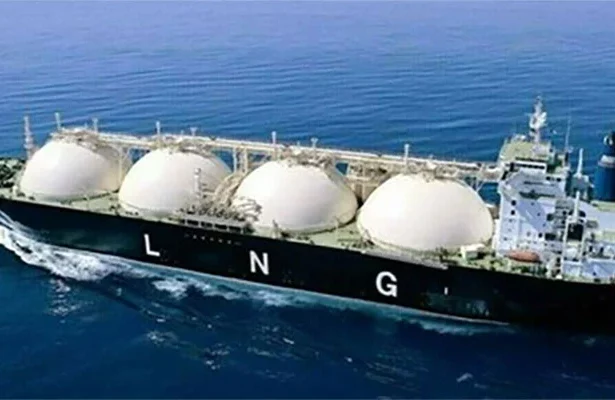
The proposal relates to indigenous gas that was diverted to LNG-based power plants between April and June 2026 after LNG imports from Qatar were disrupted during the regional conflict involving the United States and Iran.
To maintain electricity generation and prevent prolonged power outages during the peak summer months, the government temporarily redirected domestic gas supplies to power plants. As part of the emergency measures, gas supplies to compressed natural gas (CNG) stations in Khyber Pakhtunkhwa were suspended, allowing around 48 million cubic feet per day (mmcfd) of gas to be supplied to the power sector.
The emergency arrangement was introduced after QatarEnergy reportedly declared force majeure on certain LNG cargoes, creating uncertainty in fuel supplies for Pakistan’s power generation system.
Power Division opposes higher tariff
The Power Division opposed applying the standard RLNG tariff to the indigenous gas supplied during the emergency period, warning that doing so would significantly increase electricity generation costs.
Officials informed the ECC that if the notified RLNG rates were imposed on the diverted domestic gas, power producers would likely seek higher fuel cost adjustments, potentially increasing electricity tariffs by approximately Rs0.50 to Re1 per unit for consumers.
To shield consumers from higher electricity bills, a meeting chaired by the Prime Minister had earlier decided that Sui Northern Gas Pipelines Limited (SNGPL) should charge a reduced rate of Rs2,000 per million British thermal units (mmBtu) for the indigenous gas instead of the prevailing RLNG tariff. The proposal was later reviewed by the National Coordination and Management Council.
Petroleum Division warns of financial impact
The Petroleum Division, however, argued that selling indigenous gas below the notified RLNG rate would reduce expected revenues and further worsen the financial challenges facing the gas sector.
Officials maintained that lower recoveries would contribute to the accumulation of circular debt, which had already reached around Rs1.8 trillion in principal liabilities by the end of December 2025. They also stated that charging the higher tariff would enable SNGPL to recover outstanding payments related to RLNG sales and improve the company’s financial position.
RLNG prices increased sharply
The Oil and Gas Regulatory Authority (OGRA) had fixed the RLNG sale price at $12.49 (approximately Rs3,498) per mmBtu in March 2026. By May, the price had risen substantially to $15.62 (around Rs4,375) per mmBtu due to changing international market conditions.
Meanwhile, OGRA’s estimated revenue requirement placed SNGPL’s average prescribed gas price at Rs1,853 per mmBtu for the current financial year, subject to adjustment after the year’s final financial settlement.
Policy framework
The Petroleum Division also informed the ECC that amendments to the OGRA Ordinance 2002 empower the regulator to notify monthly RLNG sale prices in accordance with policy guidelines issued by the federal government.
Officials explained that RLNG pricing operates under a ring-fenced mechanism, ensuring that fluctuations in imported LNG costs do not directly affect indigenous gas consumers. However, when RLNG or related supplies are diverted for other sectors under government policy, the financial impact is recovered through periodic pricing adjustments in line with the applicable regulatory framework.