

Japan is preparing to establish a new central intelligence agency for the first time since World War II as the country seeks to strengthen its national security framework.
The move comes amid growing concerns over cyberattacks, espionage activities and foreign influence operations.
According to reports, Japanese officials have reached out to Western allies, including the United States, Germany and Australia, to seek advice on setting up the agency.
The discussions include areas such as intelligence technology, recruitment, cybersecurity systems and cooperation with foreign intelligence partners.
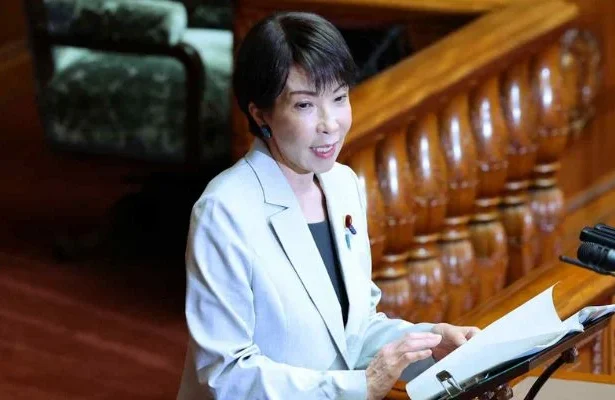
Prime Minister Sanae Takaichi’s government is leading the initiative, aiming to create a more organised and effective intelligence structure.
Since the end of World War II, Japan has not had a single intelligence body. Security responsibilities have remained divided among the police, foreign ministry and defence institutions.
Experts believe the lack of a central agency has made it difficult for Japan to respond quickly to modern security challenges.
The proposed intelligence service is expected to improve coordination between different departments and enhance Japan’s ability to deal with emerging threats.
The decision comes at a time when Japan is facing a more challenging regional security environment. Growing tensions with China and North Korea have increased concerns in Tokyo about national defence and intelligence capabilities.
Japan has also raised concerns over foreign espionage activities and cyber threats targeting government and private sectors.
In recent years, the country has changed parts of its long-standing defence policy. Japan has eased restrictions on arms exports and expanded security cooperation with other nations.
Reports suggest the new intelligence agency could begin operations by December. It is expected to receive a budget of around $407 million.
The agency’s initial team may include hundreds of professionals, including cybersecurity experts, software specialists and overseas intelligence officers.
Security analysts say the creation of the agency would mark a major shift in Japan’s approach to national security.
Richard Samuels, a political science professor at the Massachusetts Institute of Technology, described the move as a significant step toward building a stronger and more coordinated intelligence system.