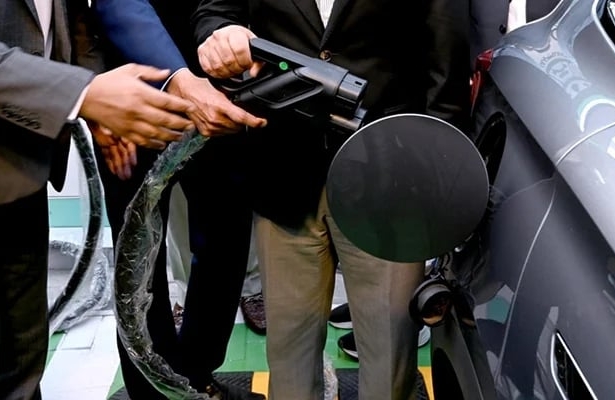

ISLAMABAD: Pakistan’s drive toward electric mobility is gaining momentum under the National Electric Vehicle (NEV) Policy 2025-30, but affordability and limited charging infrastructure continue to pose major challenges for widespread adoption, particularly among commercial drivers.
For thousands of taxi and ride-hailing drivers in Islamabad, rising fuel prices have become an overwhelming financial burden. Many spend a significant portion of their working day earning enough just to cover petrol costs, leaving limited income to support their families. While electric vehicles (EVs) promise lower operating expenses, the high upfront purchase price remains beyond the reach of many drivers.
The government’s NEV Policy aims to reduce reliance on imported fuel, lower carbon emissions, and encourage the use of electric vehicles through financial incentives, expanded charging infrastructure, and support for local manufacturing. Islamabad has emerged as a testing ground for these efforts, with electric buses already operating on several routes and authorities working to expand charging facilities across the capital.
Experts believe the capital’s planned road network and relatively shorter travel distances make it well-suited for the transition to electric mobility. However, they caution that infrastructure development alone will not ensure success.
Energy finance and climate technology experts argue that electric vehicles are already economically viable for commercial users who travel long distances each day. Although electric motorcycles typically cost considerably more than conventional petrol bikes, their operating costs are substantially lower. Running an EV costs only a fraction of what drivers currently spend on fuel, allowing commercial riders to recover the higher purchase price over time through monthly savings.
Despite these long-term financial benefits, many drivers remain reluctant to switch due to concerns about battery performance, charging availability, maintenance costs, and limited financing options. Drivers worry about where they would recharge their vehicles during busy working hours and how long charging would take.
Industry experts acknowledge that these concerns are valid, noting that Pakistan’s EV ecosystem is still in its early stages. Limited charging stations, evolving maintenance services, and the widespread use of older battery technologies continue to affect consumer confidence.
Energy specialists also stress that Pakistan’s electricity generation capacity is sufficient to support increased EV adoption in the near future. However, they emphasize that the real challenge lies in strengthening the country’s charging network and upgrading local electricity distribution systems.
They recommend coordinated efforts by the government, regulators, and power distribution companies to expand home, workplace, and public charging facilities while introducing smart charging systems and time-of-use electricity tariffs. Such measures would help manage electricity demand more efficiently and support the country’s broader transition toward sustainable transportation.
As Pakistan moves ahead with its electric mobility agenda, experts agree that making EVs more affordable, improving financing options, and rapidly expanding charging infrastructure will be critical to turning policy ambitions into practical reality.