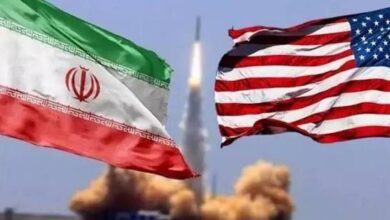

TEHRAN: Iran has rejected any suggestion that Washington will decide how the conflict ends, while diplomatic efforts over the Strait of Hormuz continue amid a fragile pause in US-Iran military strikes.
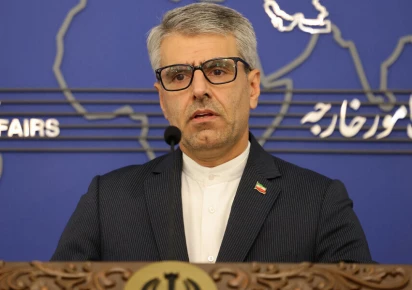
Iranian Foreign Ministry spokesperson Esmaeil Baghaei said some Gulf countries had been involved in the conflict alongside the United States. He did not identify the countries or provide further details.
Baghaei said Tehran would not allow the United States to determine the outcome of the war. He also said Iran had not requested a return to direct negotiations with Washington.
He said discussions with Oman over the management of the Strait of Hormuz had been positive. However, he stressed that the waterway remained closed and there had been no change in the situation.
The Strait of Hormuz remains one of the main flashpoints in the conflict. It is a crucial route for global energy shipments, making any disruption a major concern for oil markets and international trade.
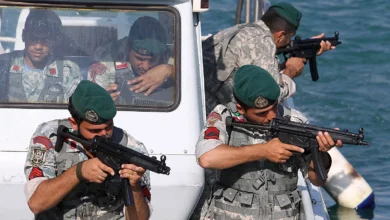
Iranian state media also reported that six vessels were intercepted after attempting to use what Tehran described as an unsafe and unauthorised route through the southern part of the strait.
According to the report, the vessels had switched off their navigation systems. One vessel suffered an accident, while the others returned towards the Gulf following intervention by Iranian forces.
The situation has also affected shipping activity in other regional waterways.
Traffic through the Bab el-Mandeb Strait has slowed following attacks by Yemen’s Houthi movement on Saudi oil facilities along the Red Sea coast. Shipping data showed that only a limited number of commodity vessels crossed the waterway over the weekend.
The number of vessels using the Strait of Hormuz also remained unusually low despite the temporary pause in US and Iranian attacks.
The slowdown has raised concerns about the wider impact of the conflict on global energy supplies.
Oil prices, however, moved lower after Washington and Tehran halted their strikes for the time being. Brent crude fell sharply during Monday trading, while US West Texas Intermediate also declined.
The fall reflected hopes that diplomacy could eventually restore normal shipping through the Strait of Hormuz.
Oman has been playing a role in diplomatic efforts between the two sides. An Omani delegation travelled to Tehran to discuss possible arrangements for future management of the strategic waterway.
Iran and Oman reportedly differ over how the mechanism should operate. Tehran wants a service fee and greater control over the proposed system, while Oman has suggested a regional arrangement without tolls.
Meanwhile, Israeli Prime Minister Benjamin Netanyahu travelled to Washington for talks with US President Donald Trump.
The meeting is expected to cover regional developments and issues of concern to both countries. Netanyahu’s visit comes as the wider conflict continues to affect security across the Middle East.
Trump has also rejected reports that the US military is facing shortages of ammunition.
He said the United States has more munitions than any other country and has sufficient supplies for its military needs.
However, reports have suggested that US military officials have raised concerns about the strain on weapons stocks following nearly two weeks of sustained attacks on Iran.
US officials have reportedly warned that continued large-scale operations could put additional pressure on missile interceptors and other defensive systems deployed across the Middle East.
The United States has maintained that its forces remain capable of carrying out their missions.
The current pause followed 13 nights of US airstrikes against Iran. Tehran had responded to the attacks with strikes on areas in neighbouring Gulf states that host US military facilities.
Iran has now also paused its retaliatory operations. A senior Iranian official said Tehran’s position remains linked to Washington’s actions: if US attacks stop, Iran will also halt its operations.
US Ambassador to the United Nations Mike Waltz said Trump paused the campaign to give diplomacy more time.
Iran, however, remains deeply sceptical about the development.
An Iranian source said Tehran viewed the pause as potentially tactical rather than a genuine shift in Washington’s position.
The uncertainty has left many people in Iran worried about whether the fighting could resume.