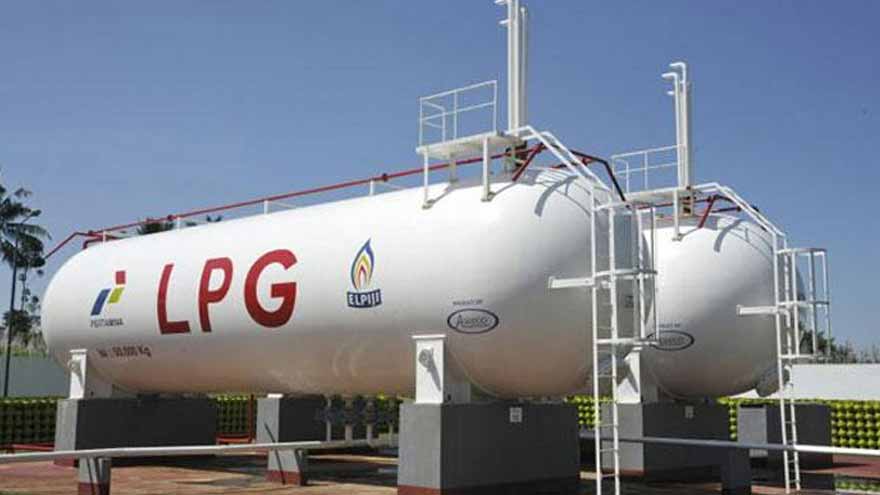

ISLAMABAD: Pakistan could face an LPG shortage in the coming days, with prices also likely to rise further amid growing security concerns in Balochistan, according to the Oil and Gas Regulatory Authority (OGRA).
Documents obtained by Dunya News showed that recent attacks in Balochistan, including incidents involving the burning of LPG tankers, have created uncertainty over the transportation and import of the essential fuel.
OGRA has called for immediate security measures along the Quetta-Nushki-Dalbandin-Taftan route, a key corridor for LPG transportation from border areas. The regulator warned that repeated attacks and financial losses have made major importers increasingly reluctant to operate on the route.
It cautioned that failure to address the security situation could cause serious disruptions to the country’s LPG supply chain and affect both availability and prices.
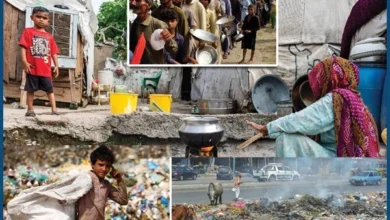
LPG is an important cooking fuel for millions of Pakistanis, particularly in areas without access to piped natural gas. Only around 28 to 30 per cent of the population has access to piped gas, while a large number of households depend on alternative fuels.
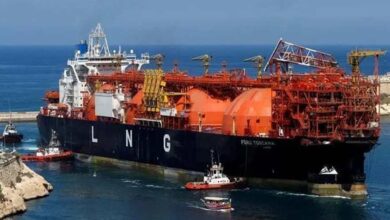
Pakistan’s annual LPG requirement is estimated at around two million tonnes. About 70 per cent of the demand is met through imports, while domestic production accounts for the remaining 30pc.
Around three-quarters of imported LPG enters Pakistan through land routes along the Pakistan-Iran border in Balochistan. Any disruption on this route can therefore have a direct impact on national supplies, transportation costs and market prices.
OGRA has stressed the need for coordination among relevant institutions to maintain uninterrupted supplies and prevent further market instability. It has also called for effective action against those targeting strategic supply routes.
LPG prices have already increased this month. The regulated price was raised by Rs12.89 per kilogramme to Rs254.32 per kg, although consumers in several areas are reportedly paying considerably higher rates in the open market.
Meanwhile, officials from the Customs department told the Senate Standing Committee that between 30 and 40 petroleum and LPG tankers had come under attack in Balochistan during the past three months, resulting in estimated losses of around Rs2 billion.
Customs officials said petroleum products are now being transported in security convoys, which has helped improve the situation to some extent. However, continued attacks despite security escorts have raised concerns over the need for a more permanent solution.
If the security situation does not improve, Pakistan could face both further LPG price increases and supply shortages in the near future.