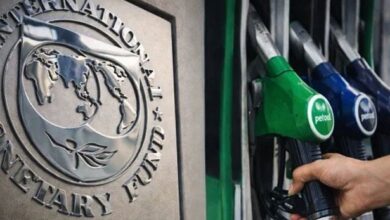

The International Monetary Fund (IMF) has called on Pakistan to ensure timely adjustments in electricity and gas tariffs as part of efforts to contain the country’s persistent energy-sector financial pressures and curb the accumulation of circular debt.
The recommendation comes as Pakistan continues to face structural weaknesses in its power and gas sectors, where delayed tariff revisions, high system losses and weak financial performance have contributed to growing liabilities across the energy supply chain.
According to the IMF, electricity tariffs need to be revised on schedule so that changes in the cost of power generation, transmission and distribution are reflected in consumer prices. Delays in adjusting tariffs can create a widening gap between the actual cost of supplying electricity and the amount recovered from consumers, ultimately adding to the circular debt burden.
The Fund has therefore urged the government to maintain the pace of energy-sector reforms and prevent the build-up of fresh liabilities. Reducing the flow of new circular debt in the power sector remains a key challenge under Pakistan’s economic reform programme.
Power-sector losses remain a major concern
The IMF has also stressed the need to reduce losses in the electricity distribution system and improve the financial performance of energy companies.
High transmission and distribution losses, electricity theft, weak recoveries and inefficiencies within distribution companies have historically placed additional pressure on the power sector’s finances. When utilities are unable to recover the full cost of electricity supplied, unpaid obligations can move through the energy chain and eventually contribute to circular debt.
The government has committed to limiting the accumulation of new power-sector circular debt during the current fiscal year. Achieving this target will require improvements in revenue collection, operational efficiency and cost recovery, alongside timely tariff adjustments.
Gas tariffs also need regular revisions
The IMF has separately emphasized continued cost-based tariff adjustments in the gas sector. Under this approach, gas prices are expected to remain more closely aligned with the cost of supplying the commodity.
Cost-based pricing is aimed at preventing the accumulation of losses by gas utilities and reducing the need for government support to cover their financial shortfalls.
However, tariff increases can also put additional pressure on households and businesses, particularly when energy prices are already a significant component of monthly expenses and production costs.
Circular debt remains a fiscal risk
Pakistan’s energy-sector circular debt has remained a longstanding economic challenge, creating financial pressure for power producers, gas companies, fuel suppliers and the government.
The IMF has warned that continued weaknesses in the energy sector could pose risks to Pakistan’s broader fiscal position. Persistent losses and unpaid obligations can increase the government’s financial liabilities and limit resources available for other areas of the economy.
The Fund’s emphasis on timely tariff adjustments reflects its broader push for Pakistan to address the structural causes of energy-sector losses rather than relying on periodic financial interventions.
For the government, the challenge will be to balance the need for financial sustainability in the energy sector with the impact of higher tariffs on consumers and industries. Effective implementation of reforms, improved collection, lower system losses and better governance will be crucial for preventing further growth in circular debt.