
Rana Muhammad Imran
Melbourne, Australia
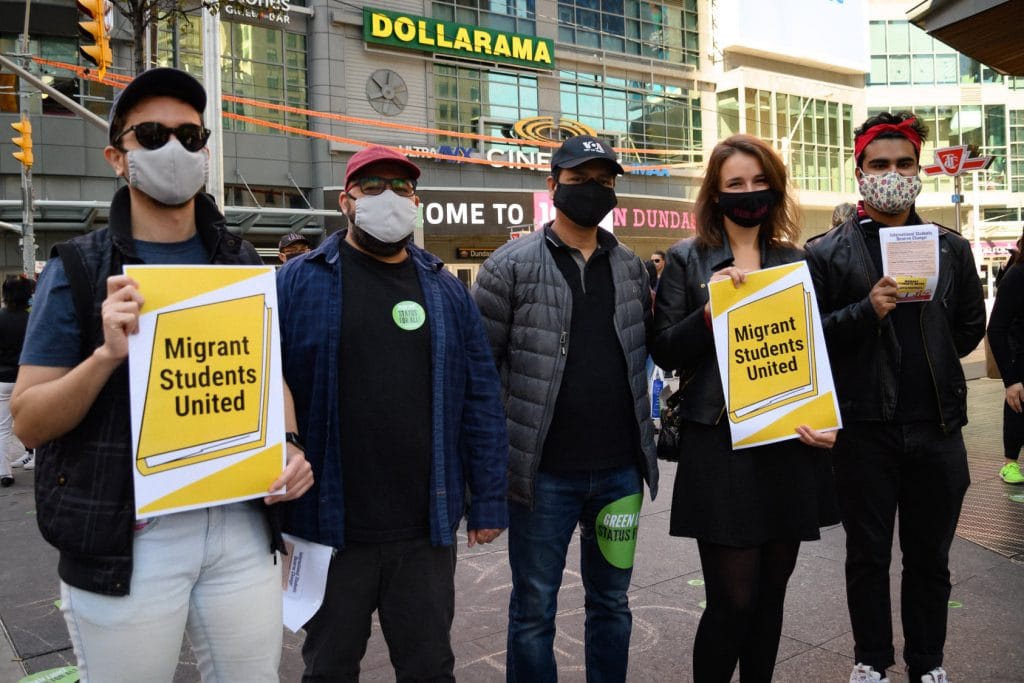
Concerns are growing among some international students in Australia over proposed migration policies from Pauline Hanson’s One Nation, with some students saying they may consider peaceful demonstrations if the proposals continue to gain momentum.
Speaking with several international students, they said they came to Australia through legal visa processes, paid substantial tuition and living costs, and are contributing to the Australian economy while studying.
“We came here legally, paid high international student fees and follow Australian laws. Many of us also work within the rules while studying and contribute to Australian workplaces and communities,” some students said.
Their concerns come as One Nation has proposed significantly reducing international student numbers, from around 590,000 to 350,000, while also proposing a major reduction in the number of international graduates able to remain in Australia after completing their studies.
Official Australian data shows that international students make a substantial economic contribution. The Australian Bureau of Statistics recorded $53.6 billion in international-student expenditure as exports in the 2024–25 financial year, including tuition, accommodation, food, transport and other services. About $15.6 billion of that expenditure was funded by international students working for Australian employers.
The Reserve Bank of Australia has also reported that international students contribute labour in a number of sectors. In 2023, international students were employed in areas including accommodation and food services, retail, transport and health care. The RBA estimated that international students’ employment in health care had increased and was relevant to sectors experiencing labour shortages.
Jobs and Skills Australia similarly reported in 2025 that international education contributed more than $50 billion to the Australian economy in 2023–24, while also providing economic, social and cultural benefits.
Students therefore argue that any discussion about migration should also recognise the fees they pay, the taxes and other economic activity associated with their employment, and their contribution to workplaces and communities.
At the same time, Australia’s migration debate involves broader issues including housing, infrastructure, population growth, visa integrity and pressure on public services. The Australian Government has announced its own changes to student and migration settings, including restrictions on secondary applicants for most student visas and measures aimed at preventing visa hopping.
The debate is likely to continue, but international students say they want their contribution to Australia to be recognised and want any future changes to distinguish between genuine students who comply with visa conditions and cases involving abuse of the migration system.