


Oil prices eased on Monday as Donald Trump lifted sanctions and tariffs on Russia, a step that lifted hopes for more Russian fuel supply.
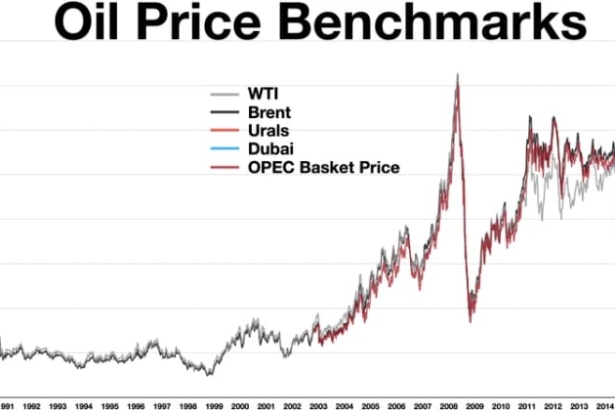
Brent crude futures dropped by about 2 percent in early trade, to $107.92 a barrel. A day earlier, Brent had settled at its highest since May 19.
US West Texas Intermediate crude also lost ground, sliding to roughly $100 a barrel. Friday had brought its best close since September 17.
Why oil prices fell after the waiver
The US president signed an order on Friday that suspends major sanctions and tariffs under the Graham Act. Lawmakers had urged him to sign that law last month to lean on Moscow over Ukraine.
Secretary of State Marco Rubio said the president may use as many as 60 days to study how the measures affect the world economy.
This followed Trump’s deal with Russian President Vladimir Putin on diesel sales to the United States and other buyers. Cargoes would start near 2.3 million barrels this month and then climb toward 7.6 million barrels a month, Trump said.
Ukrainian President Volodymyr Zelenskiy warned that the US moves would hurt Ukraine.
Analysts urge caution on the market
Tim Waterer, chief analyst at KCM Trade, said a softer tone on sanctions and some profit-taking helped cap further gains. However, he added that mixed messaging has left traders unsure.
“Until the details and duration are clearer,” he said, the market is unlikely to price in a lasting rise in supply.
Other voices doubted that more Russian cargoes would make up for lost Middle East supply. Priyanka Sachdeva of Phillip Nova argued that easing sanctions did little for the physical supply problems around the Strait of Hormuz.
DBS forecasts a trading band of $100 to $110 per barrel as the US midterms near. Suvro Sarkar, who leads its energy research, described the measures as stopgaps.
Gulf shipping risks keep oil prices firm
On Friday, Brent briefly hit $110, a level not seen since May, because threats in the Middle East worried shipping firms.
Kpler, an analytics firm, linked a steep fall in Gulf crude flows to attacks on commercial vessels. The seven-day average sank to about 8.5 million barrels a day last week, after topping 20 million the week before. Kpler confirmed at least 10 incidents involving such ships.
Three tankers also suffered damage near the Strait of Hormuz over the weekend, and Iran’s IRGC Navy said the route stays closed to unauthorised traffic.
Ukrainian forces, meanwhile, launched more than 1,000 drones at targets in Russia. Those attacks lit large fires at an oil export hub and a storage site in St Petersburg on Sunday.
Turkey stands to take part of the diesel that Russia releases. Energy Minister Alparslan Bayraktar called the deal important for national energy security.
For now, oil prices depend on whether Russian supply grows and whether attacks on ships ease. Traders also wait for clearer details on the waiver, since the oil prices outlook rests on how long it lasts.