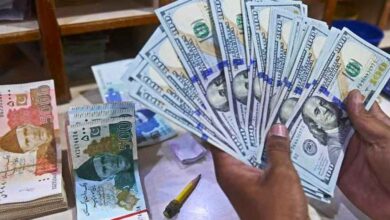



Pakistan-Afghanistan trade fell 74 percent in 2025-26, official data show, as closed crossings and political tension choked commerce.
The Trade Development Authority of Pakistan reports that two-way trade slid to $358 million. In the year before, it reached $1.3 billion.
Transporters, pharmaceutical makers and farm traders in Khyber Pakhtunkhwa carry much of the damage.
Why Pakistan-Afghanistan trade collapsed
Deadly clashes between the two countries led to the closure of Torkham on Oct 12, 2025. That crossing is among the busiest on the frontier.
Other gates remain shut to all trade as well. They include Kharlachi, Ghulam Khan and Angoor Adda in Khyber Pakhtunkhwa, plus Chaman in Balochistan.
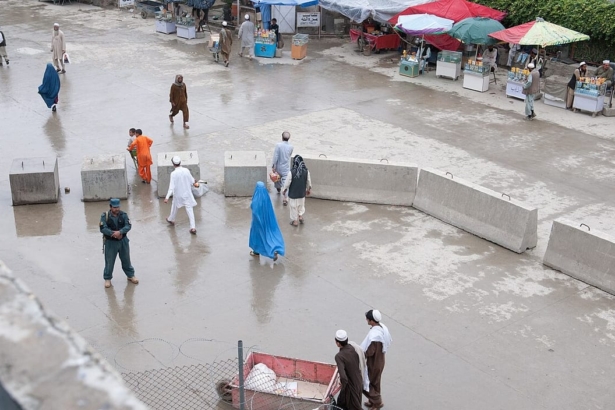
A report from Peshawar described the costly Torkham terminal, built with several billion rupees, as deserted.
Meanwhile, Islamabad insists on action against militants who operate from Afghan soil before any engagement with Kabul. The Peshawar report blamed the Taliban government’s stubbornness for leaving the relationship frozen. As a result, Pakistan-Afghanistan trade has no clear path back.
Taliban authorities reject Pakistan’s allegations that they let Afghan territory serve as a base for attacks on neighbours.
Transit trade also slumps
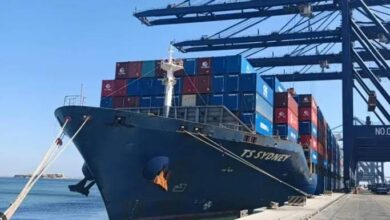
Afghan transit trade through Pakistan has fallen sharply too. In the period before the Taliban took power again, the flow stood near 89,000 containers, worth around $5 billion.
By the close of the last fiscal year, July data showed only 11,592 containers worth $367 million.
A separate set of figures from August showed a 95 percent drop for the following year, measured against the one before it.
Medicines, cement, plastics, rice, fruit and vegetables headed west from Pakistan in normal times. Pakistan in turn buys onions, tomatoes, seeds, grapes, dried apricots and apples, along with coal and raw lead.
Losses in pharmaceuticals and farming
Pharmaceutical firms feel the loss most. The Pakistan Bureau of Statistics says the sector sent about $130 million worth of goods to Afghanistan in 2023-24.
Junaid Altaf, who once led the Sarhad Chamber of Commerce and Industry, said the closure hurts more than a route. In his view, it has weakened the opportunities on which local firms and workers depend.
Altaf added that Peshawar and the rest of the province pay more for logistics than Karachi and Lahore, since they sit far from seaports.
Farm traders report heavy losses as well. Malik Sohni, who heads the Pakistan Agricultural Produce Traders Federation, said up to 50 trucks of potatoes and 25 trucks of green vegetables went across each day before the closures.
Sohni said he lost 180 million rupees after prices dropped when trade stopped suddenly.
What Pakistan-Afghanistan trade needs now
Business leaders in the province want a clear and lasting way forward. Altaf also pointed to the chance for Khyber Pakhtunkhwa to grow as a stronger centre for making and exporting medicines, which the closed border now blocks. Without the Afghan market, he said, production, investment and employment all suffer. They ask the government to weigh security concerns against commercial needs, so that legitimate trade can restart under tight controls.
For now, Pakistan-Afghanistan trade stays far below its old level, and no crossing has reopened for goods.