From foods to eat to potential drawbacks and health concerns, here are the top things you may not know about the keto diet.
1. What do you eat on the keto diet and are there any drawbacks?
Lots of fat, some protein, and few carbs make the keto diet tough to sustain.
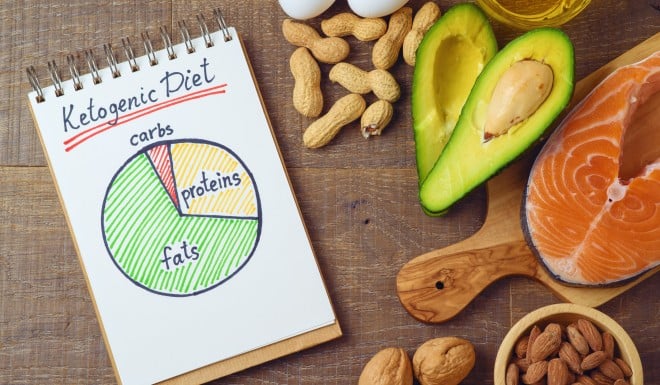
Fish, nuts, eggs, and avocados all fit the keto diet, a high-fat, low-carbohydrate diet that experts say can achieve weight loss but which may be hard to sustain over the long term. Photo: Shutterstock
2. Does the keto diet help you shed weight?
This teacher dropped 20kg, but used intermittent fasting, too.

Julien Schneider has eaten a lot more vegetables since being on the keto diet. Photo: Dickson Lee
3. Does the keto diet work long term?
If you are motivated, to beat disease, for example, you can sustain it.

Oliver Smith, a professional musician, and his son, Liam, at home in Cheung Chau, Hong Kong. Smith took up the keto diet seven years ago and, satisfied it worked, put Liam, then aged 11 on it. Liam’s epileptic seizures have since stopped. Photo: Jonathan Wong
4. Can you eat tempeh on the keto diet?
Fermented soy product is keto friendly – high in protein and fat and low in carbs.

Angeline Leong, a vegan in Singapore, makes tempeh to order in small batches. High in protein and fat, low-carb, and packed with vitamins and minerals, it is a versatile meat substitute great for the keto diet and for weight loss.
5. What’s wrong with the keto diet?
It may strain the liver and kidneys and trigger yo-yo dieting.

Many people swear by fad diets, but health experts say they are unhealthy and don’t work in the long term. Photo: Shutterstock
6. Is the keto diet good for biohackers?
To live longer, healthier lives, they choose keto to stay slim.

Derrick Foo, the founder of the Palm Ave Float Club, is one of many Singaporeans experimenting with ways to engineer their health and longevity with biohacking. Photo: Handout
7. Are keto and paleo diets healthy?
Imbalances can trigger complications from constipation to mood swings – and worse.
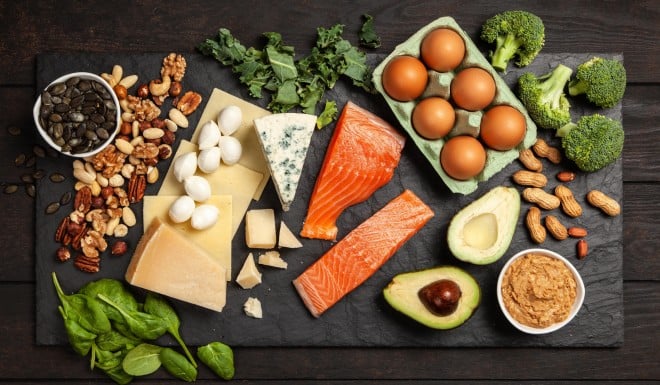
Keto diet food ingredients. It forces the body to use fat as its primary energy source, which our bodies are not designed for – and can be harmful – a nutritionist says.