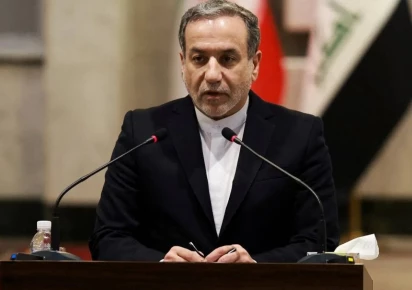

Iran’s Foreign Minister Abbas Araghchi arrived in Saint Petersburg on Monday for high-level talks with Russian President Vladimir Putin, as diplomatic efforts between Tehran and Washington remain uncertain and tensions over the Strait of Hormuz continue to shake global markets.
According to Iran’s Foreign Ministry, Araghchi’s visit comes at a critical juncture following a series of regional engagements aimed at preventing further escalation. He is expected to hold discussions with President Putin on the evolving regional situation, the fragile ceasefire dynamics, and growing economic repercussions stemming from the ongoing crisis.
The visit follows Araghchi’s recent diplomatic shuttle between Islamabad and Muscat, part of mediation efforts to revive indirect dialogue between Iran and the United States. However, hopes for renewed talks suffered a setback after US President Donald Trump cancelled a planned visit to Islamabad by his envoys, Steve Witkoff and Jared Kushner.
Iranian media reported that Tehran has conveyed written messages to Washington through Pakistani intermediaries, outlining its red lines — particularly on nuclear matters and the strategic Strait of Hormuz. Officials stressed that the communication did not constitute formal negotiations but reflected continued backchannel engagement.
Meanwhile, US media reports suggested that Iran had floated a proposal involving the reopening of the Strait of Hormuz and a phased approach to broader issues, including postponing nuclear negotiations. Iranian state outlets referenced the report without directly confirming or denying its contents.
Although a ceasefire in the US-Israeli confrontation with Iran remains in place, the economic fallout has intensified. Iran’s closure of the Strait of Hormuz — a critical artery for global oil, gas, and fertilizer shipments — has sent energy prices surging and raised concerns about food security in vulnerable regions. In response, the United States has imposed a counter-blockade targeting Iranian ports, further escalating economic pressure.
Speaking to US media, President Trump said the cancellation of the Islamabad visit did not signal a return to active hostilities. He added that if Iran wished to resume talks, “they can come to us, or they can call us.” Rising fuel prices and public unease over the conflict have added domestic political pressure in Washington ahead of upcoming midterm elections.
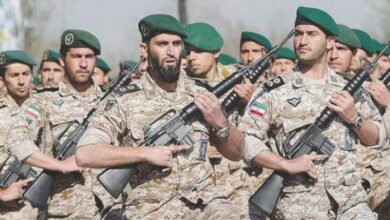
Araghchi, in a post on social media, emphasized that recent discussions in Oman focused on ensuring safe maritime transit through Hormuz “for the benefit of neighbors and the world,” reaffirming that regional stability remains a priority for Tehran. However, Iran’s Revolutionary Guards signaled no immediate intention of lifting restrictions, describing control over the waterway as a core element of Iran’s deterrence strategy.
Beyond the Gulf, tensions are also flaring along Israel’s northern frontier. Israel and Hezbollah exchanged accusations of violating a tenuous ceasefire in Lebanon. Israeli Prime Minister Benjamin Netanyahu stated that Israeli forces were acting “vigorously” against what he described as imminent threats from the Iran-backed group.
Lebanese authorities reported casualties following Israeli strikes in southern Lebanon, while Israel said it retains the right to act against planned or emerging threats. The renewed flare-up has cast further doubt on the durability of ceasefire arrangements in the region.
As Araghchi meets President Putin in Russia, diplomatic channels remain open but fragile. With economic strain mounting and regional flashpoints multiplying, the coming days may prove decisive in determining whether dialogue prevails over confrontation.