The United States and Iran have opened critical nuclear talks in the Sultanate of Oman today, marking a rare moment of diplomacy in a region shadowed by decades of hostility, deep mistrust, and rising military threats.
The indirect discussions, facilitated by Omani mediators, come after weeks of heightened rhetoric and military posturing, with both nations warning of serious consequences should negotiations fail.
The talks, described as “indirect” by Iranian officials and “high-level” by the White House, bring together U.S. Special Envoy Steve Witkoff and Iranian Deputy Foreign Minister Abbas Araghchi.
Both envoys arrived in Muscat after a flurry of regional consultations—Witkoff, notably, after meetings in Moscow with Russian President Vladimir Putin, and Araghchi carrying a mandate from Tehran’s highest authority, Supreme Leader Ayatollah Ali Khamenei.
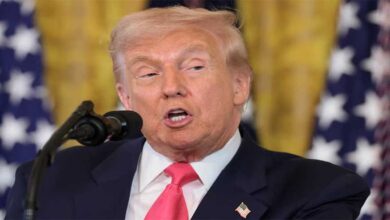
The atmosphere is fraught. Just weeks ago, U.S. President Donald Trump gave Iran a two-month ultimatum to curtail its uranium enrichment activities or face potential military strikes—likely involving U.S. ally Israel.
On Monday, Trump warned that if the talks in Oman collapse, Iran could face a “very bad day.”
Pressure mounts on Khamenei from within
According to a New York Times report, Khamenei’s decision to allow negotiations came after unprecedented pressure from within Iran’s ruling elite. Key figures, including Parliament Speaker Mohammad Baqer Qalibaf and President Massoud Pezeshkian, warned of economic collapse and internal unrest if military conflict erupts.
Cities such as Yazd are already suffering blackouts and water shortages, with government offices and schools shuttered due to the crisis.
Sources close to Tehran’s leadership say Khamenei has authorized indirect engagement under strict conditions: Iran is open to limiting uranium enrichment and allowing tighter international monitoring but will not negotiate its ballistic missile program—an issue U.S. officials deem central to any durable agreement.
Backchannel diplomacy and economic lures
While both parties insist there will be no face-to-face engagement, history suggests otherwise. Former diplomat Hossein Mousavian revealed that during the 2015 nuclear talks, similar denials preceded direct interactions. Analysts believe Oman’s neutral status may again serve as the stage for behind-the-scenes breakthroughs.
There are also signs of strategic messaging. Iranian officials have hinted at openness to American investment—language likely crafted to appeal to Witkoff, a former real estate mogul and a loyal Trump ally. Iran’s reformist media is seizing on this, painting potential economic recovery through sanctions relief as a key opportunity, while hardliners remain skeptical.