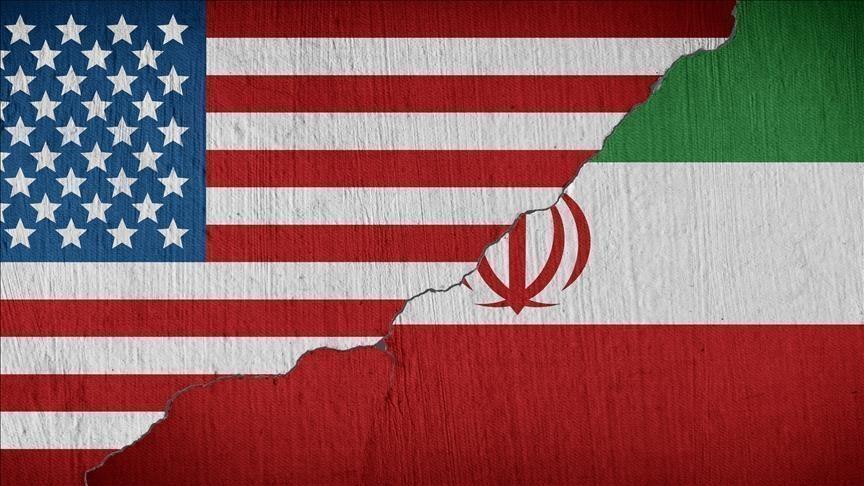

The United States has expressed optimism about upcoming negotiations with Iran, but uncertainty continues to surround the process as a fragile ceasefire nears its deadline.
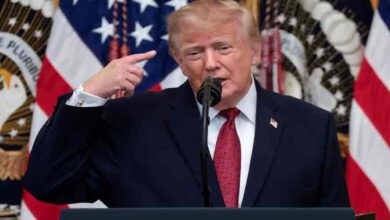
US President Donald Trump signaled confidence that talks would move forward, saying Iran is expected to come to the negotiating table. Washington is pushing for an agreement that would stabilise global markets and prevent further escalation, while maintaining its firm stance that Iran must not develop nuclear weapons.
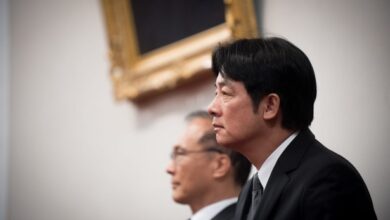
On the other side, Tehran has adopted a cautious approach. Iranian Foreign Minister Abbas Araghchi said the country is “positively reviewing” participation in the next round of talks, but no final decision has been made. Iranian officials have repeatedly stated that ongoing tensions and alleged ceasefire violations remain major obstacles to diplomacy.
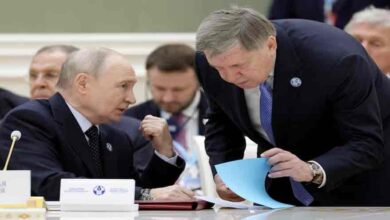
The second round of negotiations is expected to take place in Islamabad, where preparations are already underway. Pakistan is playing a key mediating role, working to bring both sides back to dialogue amid rising regional tensions.
A US delegation, reportedly led by Vice President JD Vance, is expected to arrive for the talks. However, conflicting reports about travel timelines have added to the uncertainty. Despite this, signs on the ground suggest that preparations for negotiations are moving forward.
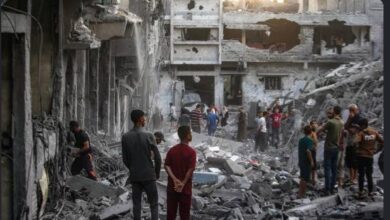
The urgency of the talks is linked to the approaching end of a two-week ceasefire between Iran and US-backed forces. The truce is expected to expire soon, raising fears of renewed conflict if no diplomatic breakthrough is achieved.
Tensions remain high following recent incidents in the region, including disputes over maritime activity and accusations of ceasefire violations. Iran has warned it will defend its national interests, while the US continues to enforce strategic pressure, including restrictions affecting Iranian shipping routes.
Global markets are closely watching developments. Oil prices, which had surged amid uncertainty, showed slight declines on renewed hopes for dialogue. Analysts say a successful agreement could ease pressure on energy supplies, particularly in the strategically vital Strait of Hormuz, through which a significant portion of the world’s oil passes.
Despite cautious optimism, major challenges remain. Both sides hold firm positions on key issues, including sanctions, security concerns, and nuclear capabilities.