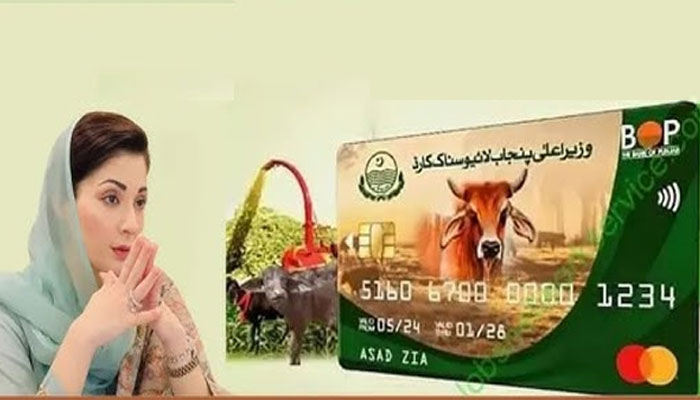

Punjab is set to export one million livestock under a new development initiative launched by Chief Minister Maryam Nawaz Sharif, aiming to boost meat exports, strengthen rural livelihoods, and modernise the livestock sector.
A high-level meeting was held via video link under the chairmanship of the chief minister, where officials presented a detailed briefing on ongoing reforms and future targets in the livestock sector. Provincial Livestock Minister Ashiq Hussain Kirmani shared updates on new partnerships and policy measures.
Under the initiative, Punjab has signed memorandums of understanding (MoUs) with seven organisations, including a Chinese company. These agreements are focused on increasing meat exports and improving processing facilities in the province. A Chinese firm, Global Meat, in collaboration with PAMCO, will set up a boiler and processing unit to support large-scale export of meat products.
As part of the plan, companies will import around 300,000 ready-for-export animals for meat processing. In addition, targets have been set to fatten 300,000 cattle and buffaloes and 300,000 sheep and goats locally. Another 100,000 goats and sheep will be specially raised for export purposes.
The government has also introduced livestock mechanisation for the first time. Farmers will receive up to 60 percent subsidy on modern equipment such as milk chillers, feed mixers, and weighing machines. Officials say this step will improve productivity and reduce losses in rural farming.
To strengthen veterinary services, state-of-the-art hospitals will be established in every tehsil across Punjab. In addition, four mobile veterinary units per tehsil will provide treatment and support in remote rural areas.
The chief minister has also doubled the quota for free livestock distribution among rural women. Thousands of animals have already been distributed to widows and divorced women in South Punjab under earlier phases of the program.
Officials further reported that livestock identification and tracking are being improved, with plans to tag two million animals. Another two million semen doses will be provided on subsidy to improve breeding quality and productivity.
The meeting was also informed that no major outbreaks of lumpy skin disease or hemorrhagic septicemia have been reported in Punjab since 2022, even after recent floods. Locally produced vaccines are now available at significantly lower costs compared to imported alternatives.