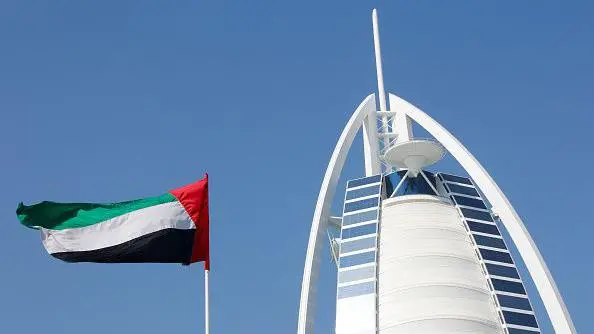

The reported withdrawal of the United Arab Emirates from OPEC has triggered widespread debate across global energy markets, with analysts warning of major shifts in oil supply dynamics and potential strategic advantages for the United States.
According to international reports, including analysis cited by Al Jazeera, the UAE had long expressed frustration over production limits imposed by OPEC. Despite heavy investments in expanding its oil capacity, the country faced restrictions on fully utilizing its output potential under the cartel’s quota system.
Now, with its exit, the UAE is expected to increase production significantly once market conditions stabilize. Analysts estimate that the country could add nearly 2 million barrels per day to global supply, a move that may ease pressure on rising oil prices in the medium term.
The development comes at a time when global oil flows have already been disrupted due to tensions around the Strait of Hormuz, a critical shipping route for energy exports. These disruptions have contributed to sharp increases in global crude prices, affecting both producers and consumers worldwide.
Energy experts believe that weakening OPEC’s unified control over production could gradually reduce the cartel’s influence on global pricing. This shift, they argue, may benefit major consumers, particularly the United States, which has emerged as one of the world’s largest oil producers in recent years.
The United States has seen economic gains from increased domestic production, especially through shale oil expansion, allowing it to reduce reliance on imported energy while gaining more leverage in global markets.
Reports also suggest that the UAE’s move reflects its growing economic and political diversification, including deeper engagement with global markets and strategic partnerships beyond traditional OPEC frameworks.
However, experts warn that while OPEC may not collapse, its internal cohesion could weaken further if other member states consider similar steps. Such a trend could reshape the balance of power in global energy governance.
The decision may also have implications for the Gulf Cooperation Council, potentially influencing coordination among Gulf energy producers.
As markets adjust, the world is entering a potentially new phase of energy geopolitics—where traditional oil alliances face increasing pressure from shifting production strategies and evolving global demand.