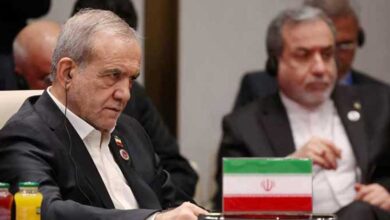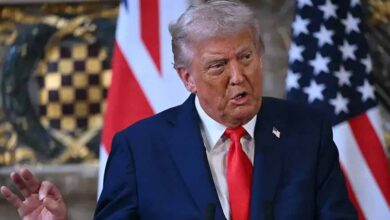

The United States and Iran appear to be moving closer to a new agreement that could extend their current ceasefire. However, major differences remain unresolved, preventing a final deal from being announced.
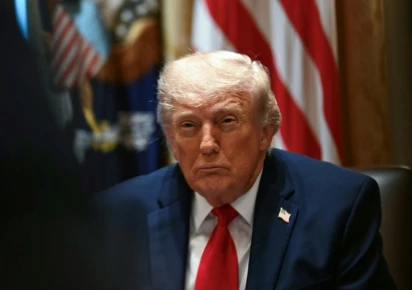
US President Donald Trump said on Friday that he would soon make a final decision on a proposal to extend the ceasefire with Iran for another 60 days. The extension is intended to provide more time for negotiators to work toward a permanent settlement of the conflict that has destabilized the Middle East and disrupted global energy markets.
Trump held a high-level meeting with senior officials in the White House Situation Room to discuss the proposal. Despite hours of discussions, no official decision was announced. Reports indicate that negotiations are continuing behind closed doors.
According to sources familiar with the talks, both sides believe an agreement is within reach. However, disagreements remain over several key issues. Washington is demanding guarantees that Iran will never develop nuclear weapons and wants the immediate reopening of the Strait of Hormuz to unrestricted international shipping.
Iran has rejected parts of those demands. Iranian officials insist that any arrangements regarding the strategically important waterway must respect Iran’s interests and regional sovereignty. Tehran has also indicated that discussions should focus on maritime and economic issues rather than its nuclear program.
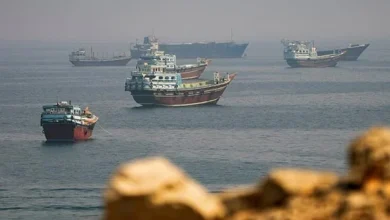
The Strait of Hormuz remains one of the most important shipping routes in the world. A significant portion of global oil exports passes through the narrow waterway. Disruptions in traffic have contributed to higher energy prices and increased uncertainty in international markets.
Iran is reportedly seeking relief from economic sanctions, access to frozen financial assets, and broader economic concessions. Unconfirmed reports suggest discussions have included the possible release of billions of dollars in Iranian funds currently held abroad.
The ongoing conflict has created significant economic challenges worldwide. Higher fuel costs and supply chain disruptions have increased pressure on governments and businesses. Consumers in many countries are also facing rising prices for energy and essential goods.
Meanwhile, global economic institutions have warned that the Middle East conflict is putting additional strain on the world economy. Leaders of the International Monetary Fund, World Bank, World Trade Organization, and International Energy Agency said the crisis is affecting energy supplies, increasing uncertainty, and placing the greatest burden on vulnerable economies.
The institutions warned that prolonged disruption in shipping routes could lead to further declines in global oil inventories. Such a scenario could create additional risks for fuel security, market stability, and economic growth, particularly as demand for energy rises during the summer months.