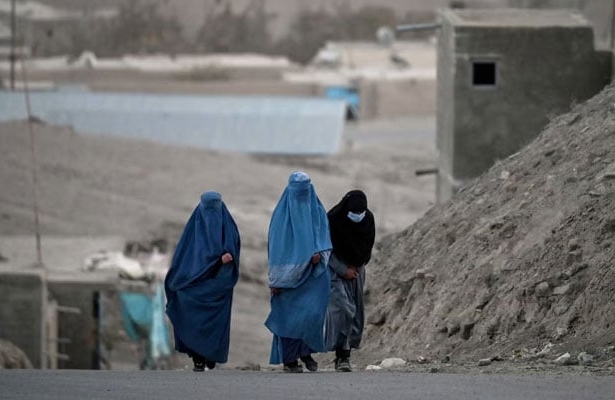

Life has become increasingly difficult for Afghan citizens as the country continues to struggle under worsening economic conditions and ongoing political restrictions following the return of the Taliban administration.
International humanitarian assessments indicate that poverty, unemployment, and food insecurity have reached alarming levels, leaving a large portion of the population dependent on external assistance for survival. Reports suggest that nearly half of Afghanistan’s population now requires humanitarian aid, while millions of children are suffering from malnutrition.
The situation has been further highlighted by findings from the Norwegian Refugee Council, which warns that Afghanistan’s humanitarian crisis is intensifying. The organization notes that widespread shortages in healthcare services have left millions without access to basic medical treatment, following the closure of hundreds of health facilities across the country.
Economic instability has also been compounded by high unemployment rates, with estimates suggesting joblessness has risen to critical levels. The United Nations has previously reported unemployment in Afghanistan reaching as high as 75 percent, reflecting the severity of the ongoing economic downturn.
The report further points to Afghanistan’s increasing global isolation, which continues to restrict economic recovery and humanitarian support. It also highlights the impact of strict social restrictions on women, which has significantly limited their participation in education, employment, and public life, affecting half of the country’s population.
Humanitarian agencies warn that without sustained international assistance and structural reforms, the crisis is likely to deepen further, leaving millions more vulnerable in the coming months.