
Bangladesh and India have decided to work more closely together to improve security along their shared border. The two neighboring countries are increasing cooperation by sharing information and coordinating patrol activities to address concerns related to illegal migration and other cross-border issues.
The border between Bangladesh and India stretches across a vast area and passes through many towns, villages, and communities. Because of its length and the large number of people living nearby, managing the border has always been a difficult task. Both countries face challenges such as unauthorized crossings, smuggling, and other security concerns.
To deal with these issues, officials from Bangladesh and India have agreed to strengthen communication and coordination. They believe that working together will help them manage the border more effectively and reduce problems that affect both nations.
One of the main steps being taken is the sharing of intelligence. Security agencies from both countries will exchange important information about activities near the border. This information can help authorities identify potential risks and respond quickly when needed. Better communication is expected to make border management more efficient and effective.
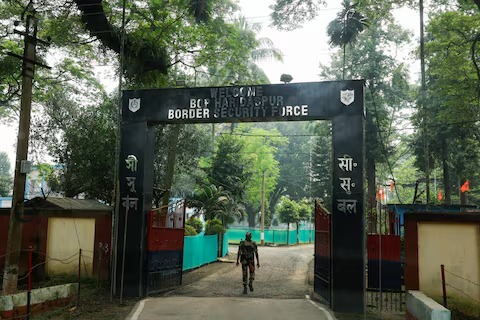
In addition to sharing information, both countries are also coordinating patrols in sensitive areas. Border security forces will work closely to monitor movements and ensure that the border remains secure. Officials believe that joint efforts will help prevent illegal activities and improve overall safety in the region.
Illegal migration has become an important topic in recent months. Authorities say that some people attempt to cross the border without proper documents, creating challenges for both countries. By working together, Bangladesh and India hope to better understand migration patterns and address concerns in a more organized way.
Despite the security focus, both countries have emphasized the importance of treating people with fairness and respect. Officials understand that migration can happen for many reasons, including family connections, employment opportunities, and economic challenges. They aim to manage the situation responsibly while maintaining human dignity.
The stronger cooperation reflects the long-standing relationship between Bangladesh and India. Over the years, the two countries have built close ties through trade, culture, education, and regional partnerships. Their leaders have often highlighted the importance of maintaining friendly relations and solving problems through dialogue.
Experts believe that better border management can bring benefits beyond security. A stable border can support legal trade, improve economic activity, and create a safer environment for people living in nearby communities. Many families on both sides of the border have historical, cultural, and social connections that go back generations.
Local residents are hopeful that the new measures will make the region safer while allowing normal daily life to continue. People who live near the border often depend on peaceful conditions for work, business, and family activities. Improved cooperation could help create a more secure environment for everyone.
The decision to increase coordination also sends a positive message about regional cooperation. Instead of dealing with challenges separately, Bangladesh and India are choosing to work together and share responsibility. This approach is often seen as a more effective way to address common concerns.
As discussions and cooperation continue, both governments remain optimistic about the results. They believe that stronger communication, better planning, and joint efforts will help reduce security risks and improve border management.