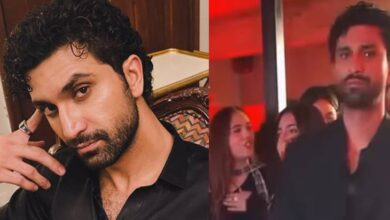

Actor and writer Adeel Afzal believes Pakistani men are trapped by rigid ideas of masculinity that deny them emotional expression, and that the resulting frustration often turns into anger and makes it harder for them to support women’s rights.
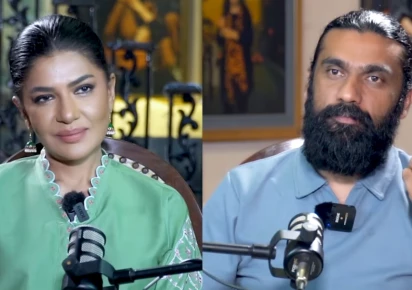
Speaking on Iffat Omar’s digital podcast, Afzal reflected on the pressures society places on men, saying their worth is often measured solely by their ability to earn, provide and project strength, while their emotional wellbeing is largely ignored. “Society will pressure a man saying, you earn well, you write well, you read well, you fit in everywhere, you look good, but you aren’t a real man, are you?” he remarked.
According to Afzal, men are conditioned from an early age to suppress vulnerability and focus on fulfilling traditional roles. Whether working in physically demanding jobs, serving on borders or carrying financial responsibilities, they are rarely encouraged to engage with sensitivity or emotional self awareness.
He identified a major flaw in conventional notions of masculinity, pointing out that men are seldom allowed to express helplessness, fear or despair, despite these being universal human experiences. “When men face these feelings, they do not have the tools or permission to express them safely,” he said. “This often turns their internal pain into outward anger.”
Afzal argued that this emotional isolation affects not only men themselves but also their relationships with women, making it more difficult for them to understand conversations around equality and empathy.
The discussion also turned to television dramas, which both Afzal and Omar said often reinforce unhealthy ideas about relationships and masculinity. They criticised the recurring portrayal of male protagonists as controlling, aggressive and emotionally unavailable, warning that such characters teach audiences to associate dominance with love. “We feel we will get respect only when we suppress or control someone else,” Afzal observed.
Calling for more nuanced storytelling, he urged writers and producers to move beyond outdated formulas and create characters who evolve through genuine personal growth. As an example, he pointed to the Indian film Dum Laga Ke Haisha, whose male lead is neither flawless nor heroic but struggles with his circumstances and gradually changes, making his journey feel more authentic.
The conversation also explored the entertainment industry’s reliance on familiar romantic tropes, particularly wedding night scenes that often bear little resemblance to reality. Omar shared a lighthearted anecdote from her own life, recalling that her wedding night involved sitting on the floor counting her salami out of curiosity before falling asleep, rather than the dramatic sequences typically shown on television.
Afzal revealed that while writing a wedding sequence for an upcoming project, he spent three days trying to avoid reproducing the same scenes audiences have seen countless times before, adding that production houses often stretch such storylines across multiple episodes, contributing to a cycle of repetitive storytelling.
Reflecting on the foundations of healthy relationships, the pair agreed that genuine connection can only develop when people feel safe enough to communicate honestly without fear of rejection or judgement. Afzal concluded that until men are allowed to be vulnerable and stories are permitted to reflect real human complexity, audiences will continue to inherit unrealistic expectations about relationships and identity.