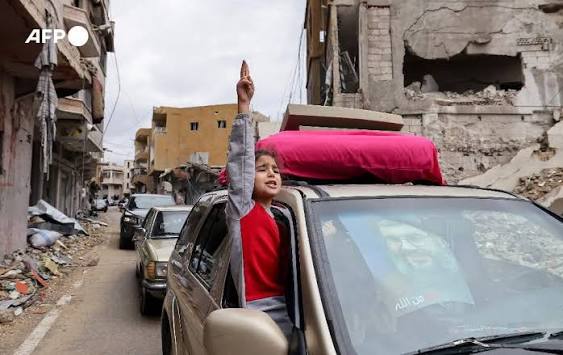

More than 640,000 displaced people in Lebanon have returned to their communities following the ceasefire agreement between Israel and Hezbollah, the International Organisation for Migration (IOM) reported, marking a significant shift in the country’s post-war recovery as the United Nations-brokered truce continues to hold.
In a report, the IOM said that “646,107 internally displaced persons have begun returning to their communities,” while approximately 500,000 others remain displaced, based on data collected in coordination with local authorities since June 22. The returns represent a major step toward normalisation for a country that has endured months of devastating conflict, with the ceasefire creating conditions for families to begin rebuilding their lives.
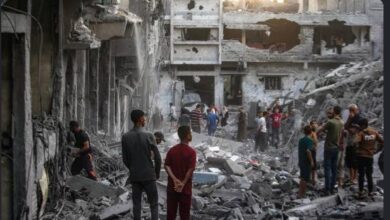
Lebanese authorities have confirmed that Israeli attacks during the war killed roughly 4,300 people and displaced over one million, particularly from southern Lebanon and Beirut’s southern suburbs. The widespread destruction of infrastructure, including thousands of homes, schools, and hospitals, has left many areas uninhabitable, complicating the return process for those whose homes were completely destroyed.
The IOM noted that while the number of returnees is substantial, significant challenges remain. Many areas in the south and the southern suburbs of Beirut have suffered extensive damage, and the availability of basic services, including healthcare, water, and electricity, remains limited. The UN agency has been working with local authorities to provide assistance to returnees and those still displaced, including shelter kits, food, and clean water.
The ceasefire, which took effect on Friday, has been a condition for the start of the 60-day US-Iranian negotiations under the Islamabad Memorandum of Understanding. While the truce has largely held, both sides have accused each other of violations, and the underlying tensions that fueled the conflict remain unresolved. The IOM’s report offers a glimmer of hope for a country that has been battered by decades of political instability and economic collapse, but the path to full recovery remains long and uncertain. As families return to their homes, the international community continues to press for a lasting peace that would allow Lebanon to rebuild and heal.