
There is a particular kind of mourning reserved for deaths that arithmetic could have prevented, and it is that grief I carry as I write this. Somewhere between $50 billion, $12 billion and $2 billion committed to Pakistan’s LNG import, gas circular debt and FSRU infrastructure over the past decade — take-or-pay contracts signed without demand guarantees, without the basic protection of a force majeure clause, exposed recklessly to Brent price volatility — and somewhere else, in the same decade, the coffins of soldiers returning to their villages in Balochistan, the funerals of ordinary citizens in Ex-FATA who died in operations against militants their own poverty helped recruit, and the anger of a Kashmir still waiting for the dividends of the state that claims it. These are not separate stories. They are the same story, told in two currencies: rupees squandered above, and blood spilled below.
I do not write this from a position of hindsight dressed up as prophecy. From 2013 to 2018, I opposed this LNG import trajectory with everything available to a engineer — op-eds, policy briefs, letters addressed directly to the sitting Prime Minister, and hard-talk television appearances arguing, against the then Minister for Petroleum and later Prime Minister, Shahid Khaqan Abbasi, that Pakistan was walking into a long-term liability it could not afford and would not be able to unwind. I lost that argument. The contracts were signed. And a decade later, the numbers speak for themselves in ways more damning than anything I could have predicted: a gas-sector circular debt that has now climbed past Rs. 3.44 trillion ($12 Billion), a structure so poorly protected against global price shocks that even Dr. Farrukh Saleem, writing in The News, was moved to ask in plain print whether the entire initiative amounted to a $50 billion blunder. I take no satisfaction in having been right. I only feel the particular ache of having tried, and failed, to stop a wound before it was inflicted.
What makes this wound unforgivable is the comparison sitting right next door. India imports roughly eight times more LNG than Pakistan, much of it from the very same Qatari suppliers, and carries no comparable circular debt crisis in its gas sector. Bangladesh imports LNG too, and it has not been dragged into the same spiral. The difference was never geography, or global market conditions, or bad luck with timing. The difference was governance. When a sovereign nation signs fifteen-year, take-or-pay commitments, without demand guarantees, without anticipating the price swings that every serious energy economist in the world knew were coming, that is not misfortune. That is a choice, made by specific people, in specific rooms, whose names are a matter of public record.
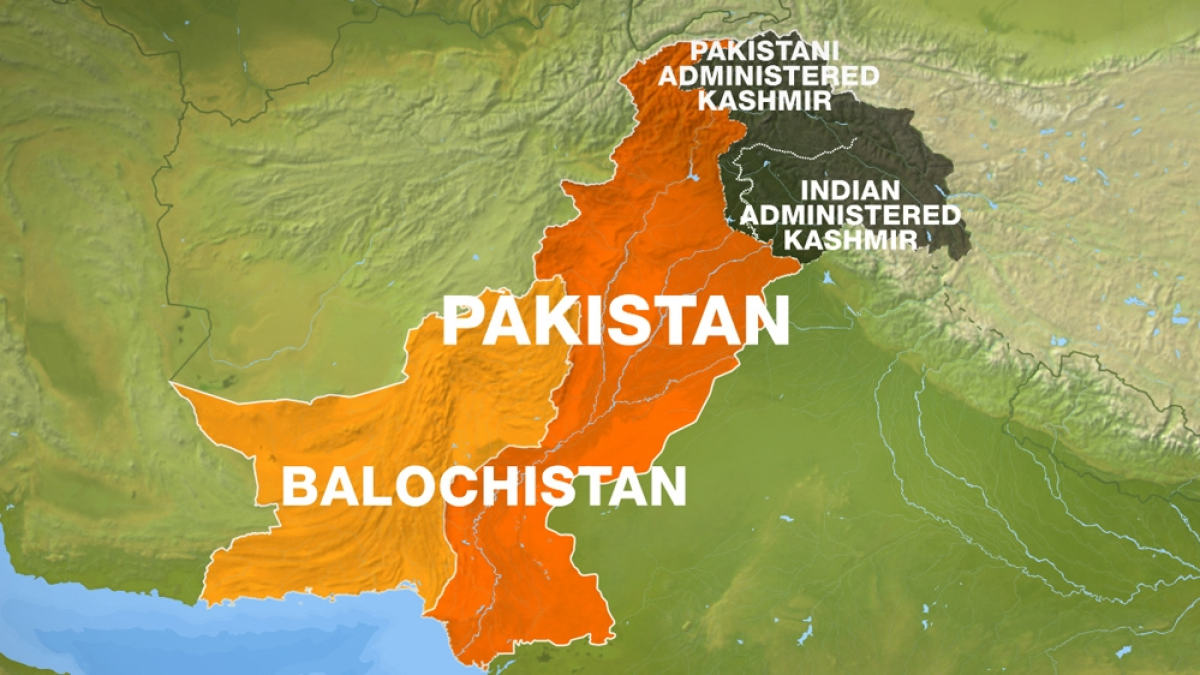
While the ledgers bled in Islamabad, it has fallen to Pakistan’s soldiers, police, and paramilitary personnel to pay, daily and in person, for the governance gaps that ledger left behind. Every checkpoint manned in Balochistan, every operation conducted in the mountains of what was once FATA, every young officer who does not come home to his mother, is quietly filling a vacuum that competent economic governance should never have left open in the first place. These men and women did not sign the flawed contracts. They simply inherited the unrest that flawed contracts, and the poverty they deepened, helped create — and they continue to pay for it in blood while the architects of the debt pay nothing at all.
It should trouble us more than it does that this is happening inside a state founded explicitly in the name of Islam, and home to the second-largest Muslim population on earth. Pakistan’s 1973 Constitution is not a secular afterthought — it declares that sovereignty over the entire universe belongs to Allah Almighty alone, and that the state’s authority is a sacred trust to be exercised through the chosen representatives of the people, within the limits prescribed by Him. The Quran itself is unambiguous on the very crime at the heart of this tragedy: believers are warned not to spread corruption upon the earth after it has been set right, and told plainly that the divine does not love those who deal in corruption. A country that invokes Islam in its very name and constitution, and then permits the kind of unprotected, indefensible contracting that bled its own treasury dry, is not merely a victim of bad economics. It is failing a test its own founding document set for it.
And I will say this plainly, in the tragic terms it deserves: for having been proven right about this catastrophe — not partially, but by every measure now visible in the country’s own circular debt figures — I have spent the last decade under a severe, sustained social boycott, isolated by a society that found it easier to punish the messenger than to reckon with the message.
Every year, Muslims across Pakistan commemorate the 10th of Muharram, mourning how Imam Husayn ibn Ali, the beloved grandson of the Prophet Muhammad, was brutally martyred alongside most of his family and companions, killed by the forces of Yazid for the singular crime of standing against tyranny and injustice. The processions are solemn. The grief is real. And yet the same society that weeps each Muharram for a stand taken fourteen centuries ago against an unjust ruler cannot, in the present day, bring itself to take even a fraction of that same stand against the elite whose decisions have pushed this country to the edge of economic and sovereign collapse. We have made Karbala a ritual of memory rather than a lesson in courage. Pakistan reportedly ranks among the very top nations in the world for the sheer number of pilgrims performing Hajj and Umrah each year, and hosts one of the highest concentrations of religious political parties anywhere on earth. Movements like the Tablighi Jamaat labor, sincerely and at real personal sacrifice, to revive Islamic faith and practice from the grassroots upward. Our mosques overflow every Friday. And yet when it comes to the harder teaching — the Quranic demand that believers stand against corruption and injustice even when it costs them something — this country may fall to nearly the lowest rank among Muslim nations on earth. We have perfected the rituals of faith and left its courage largely unpracticed, content, it seems, to leave justice for Jannah rather than pursue it here, in the world where the corruption is actually happening. But let this stand as a warning to those who believe their wealth and their protection will shield them forever: Almighty Allah is watching them every hour of every day. Do not deceive the Creator.
I want to name, with genuine gratitude, the two voices in this country’s press who never let this issue disappear into silence: the eminent economist Dr. Farrukh Saleem and the renowned journalist Imtiaz Gul and always supported me. Through years in which raising these subject invited attacks, both continued writing and speaking about the prosperity owed to 260 million Pakistanis, and both, to my knowledge, never accepted the comfortable silence that wealth and pressure so often purchase in this country. If I sat on the Nobel Committee, I would put both their names forward, not for any single article, but for the discipline of never selling their pen. I say this in direct contrast to the far larger number of commentators in this country who present themselves as guardians of the public interest while carefully avoiding any scrutiny of the country’s wealthiest and most politically protected figures.
It is in this context that I watch, with something between disbelief and grief, prominent political figures — including Mr. Abbasi himself — now speaking passionately in support of the protest movement in Azad Jammu and Kashmir, a movement rooted precisely in the economic deprivation this LNG debacle helped deepen. Nobody in the press seems willing to ask the obvious question aloud: if the contracts signed under your watch are part of why the exchequer bled the way it did, what standing do you have to now champion the people bearing the cost of that bleeding? I do not claim to possess a courtroom’s proof of personal enrichment. I claim only what any citizen is entitled to claim: the right to ask why a decision this reckless was made, by whom, and why no forensic accounting of it has ever been demanded. My own conclusion, offered as opinion rather than verdict, is this — if the country’s wealthiest elite were to return even half of what critics believe was diverted from the public purse over these years, Balochistan, Ex-FATA, and Azad Kashmir could stand today as models of prosperity rather than theaters of unrest.
Will this piece change anything at the level where decisions are actually made? Honestly, I doubt it. The machinery that allowed this to happen has shown little appetite for self-examination in the past, and I see no particular reason to expect otherwise now. But I refuse to let that grim likelihood muzzle my voice, because silence is precisely what empowered the last decade to ravage history as it did. I will shatter that quiet, instead, with words that eviscerate the ache far better than the celebrated lines of poet Rakesh Kumar Pa ever could.
ہے ایسا کیوں؟
بے زباں سا یہ جہاں ہے
خوشی کے پل
کہاں ڈھونڈوں؟
بے نشاں سا وقت بھی یہاں ہے
جانے کتنے لبوں پہ گلے ہیں
زندگی سے کئی فاصلے ہیں
پسیجتے ہیں سپنے کیوں آنکھوں میں
یہی بار بار سوچتا ہوں تنہا میں یہاں
میرے ساتھ ساتھ چل رہا ہے یادوں کا دھواں
جو بھیجی تھی دعا
وہ جا کے آسماں سے یوں ٹکرا گئی
کہ آ گئی ہے لوٹ کے صدا
جو بھیجی تھی دعا
وہ جا کے آسماں سے یوں ٹکرا گئی