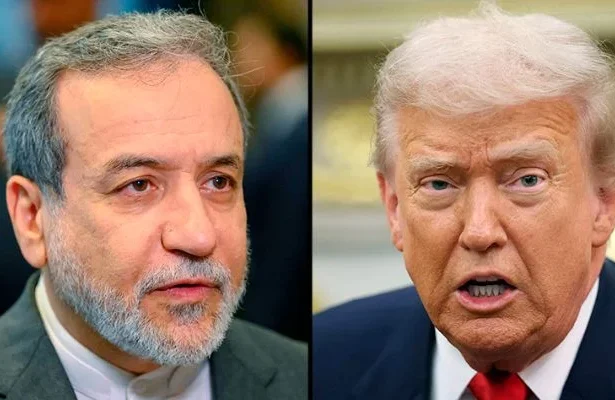

Iran has responded sharply to US President Donald Trump’s proposal to manage the Strait of Hormuz and charge fees for ships using the strategic waterway.
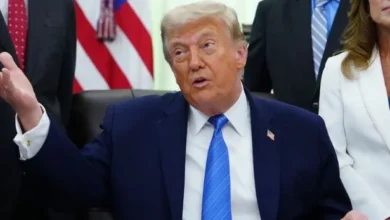
Trump recently suggested that the United States could take responsibility for protecting and operating the key shipping route. He said countries benefiting from safe passage should compensate Washington for the cost of maintaining security in the region.
Trump claimed that ships passing through the Strait of Hormuz could be charged a payment, arguing that the US was spending significant resources to protect a vital global trade route.
Iranian Foreign Minister Abbas Araghchi reacted to the proposal with a sarcastic statement, saying that whoever provides security for commercial vessels deserves compensation.
However, he said Iran has historically been the guardian of the Strait of Hormuz and would continue to play that role. He added that any payment demand should be fair, while rejecting what he described as an excessive charge.
The Strait of Hormuz has remained a major point of tension between Iran and the United States due to its strategic importance. Around one-fifth of the world’s oil and energy shipments pass through the narrow waterway, making it crucial for global markets.
The issue of control and security arrangements for the strait has become one of the biggest challenges in Tehran-Washington relations.
Several proposals have been discussed to ensure safe navigation through the waterway. Oman has also suggested a plan involving separate corridors for managing maritime traffic, but Iran has not accepted the proposal so far.
International maritime rules recognise the Strait of Hormuz as a major international waterway. Experts have said that imposing mandatory transit fees could face legal challenges under international law.