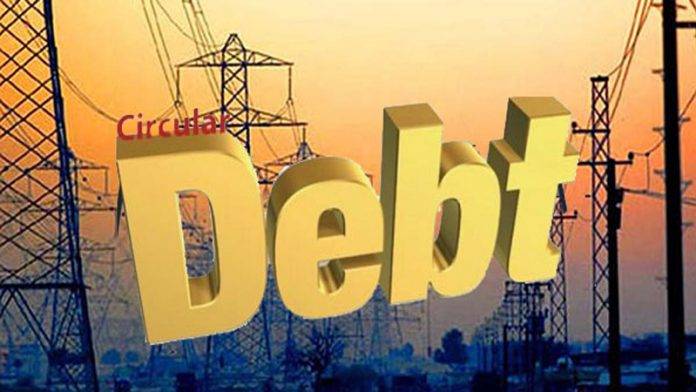

Pakistan’s power sector circular debt grew by Rs61 billion during FY2025-26, reaching Rs1.675 trillion by June 30, 2026, up from Rs1.614 trillion a year earlier, it was reported on Wednesday.
According to official data, inefficiencies and weak bill recovery by power distribution companies (Discos) remained the sector’s biggest structural problem, together adding Rs326 billion to the debt pile over the year.
Power Division data shows Discos’ operational inefficiencies alone contributed Rs262 billion to the circular debt in FY26, only marginally down from Rs265 billion the previous year, signalling that distribution-level losses continue to drive much of the buildup.
Weak recoveries added a further Rs64 billion, a sharp improvement from Rs132 billion in FY25.
K-Electric’s non-payment emerged as another major contributor, adding Rs194 billion to the debt. The utility’s outstanding receivables stood at Rs421 billion as of June 2026, split between Rs197 billion in principal and Rs224 billion in accumulated markup.
A further Rs63 billion stemmed from pending Water and Power Development Authority (Wapda) invoices tied to amendments in power purchase agreements.
Interest payments owed to independent power producers, Power Holding Limited and circular-debt financing fell sharply to Rs14 billion in FY26, down from Rs58 billion the year before. Other miscellaneous adjustments added Rs75 billion to the total.
Altogether, gross additions to the circular debt during the year came to Rs609 billion. This was partly offset by Rs247 billion in reductions, Rs98 billion from unclaimed subsidies, Rs129 billion from loan principal repayments, and Rs20 billion from pending generation cost adjustments.
After netting these out, the year’s circular debt flow stood at Rs364 billion. The government subsequently injected Rs302 billion in subsidy payments to help pare down the accumulated stock.
As of June 30, 2026, amounts owed to power producers stood at Rs784 billion, while generation companies’ (Gencos) payables to fuel suppliers totalled Rs90 billion. Circular-debt financing accounted for a further Rs801 billion of the overall balance.