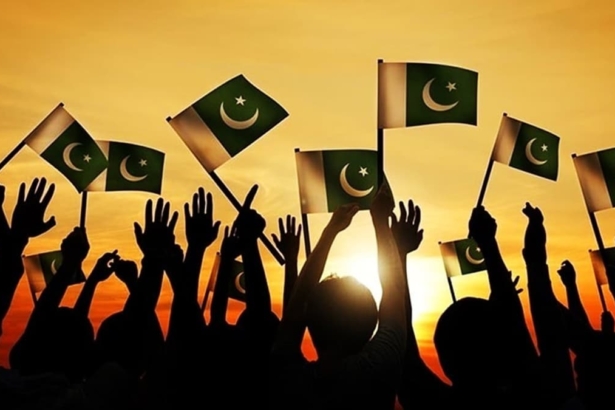

ISLAMABAD: A recent survey by the United Nations Population Fund (UNFPA) has highlighted a striking mix of optimism and concern among Pakistan’s young population, with a large majority expressing confidence about their future despite facing economic and social challenges.
According to the survey, 76% of young Pakistanis aged 18 to 29 said they feel optimistic and positive about what lies ahead.
The findings are based on responses from more than 1,700 young people in Pakistan and form part of a broader global assessment of youth attitudes and expectations.
Optimism Amid Uncertainty
While the survey points to strong confidence among young Pakistanis, it also highlights significant concerns about the challenges they face.
Around 53% of respondents said they were worried about issues including economic instability, growing inequality, security threats, conflict, environmental challenges and global health risks.
The contrasting findings suggest that young Pakistanis remain hopeful about their personal and collective future while simultaneously recognising the pressures created by economic and social uncertainty.
Pakistan’s Young Population
The findings carry particular significance for Pakistan, which has a large youth population. Estimates suggest that approximately 60% to 67% of the country’s population is under the age of 30.
More than 2 million young people reportedly enter Pakistan’s workforce each year, making education, employment and skills development key priorities for the country.
This youthful population presents both an opportunity and a challenge. With appropriate investment, a large working-age population could contribute significantly to economic growth. However, limited employment opportunities and inadequate access to education and skills could make it difficult to realise that potential.
UNFPA Calls for Targeted Investment
The UNFPA report emphasises the need to convert young people’s optimism into tangible opportunities through targeted investment.
It highlights quality education as a major priority, particularly practical skills and training aligned with changing labour-market requirements.
The report also calls for the creation of decent employment opportunities and greater digital inclusion, with particular attention to young people in rural communities and young women.
Improving youth-friendly health services, including access to reproductive healthcare, is another key recommendation.
The report further stresses the importance of gender equality, arguing that young women should have equal opportunities to participate in education, employment and economic activity.
The survey ultimately presents Pakistan’s youth as a generation balancing uncertainty with hope. The challenge for policymakers will be to ensure that this optimism is matched by meaningful opportunities, allowing young people to contribute fully to the country’s long-term development.