

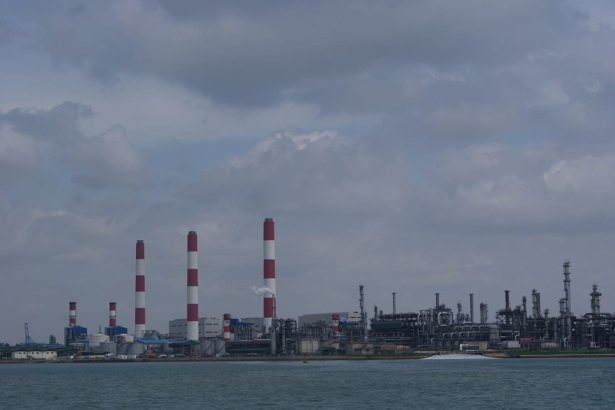

Saudi crude storage is heading to Singapore, where Aramco plans to keep oil in underground rock caverns from late 2027, ministers said.
On Monday, the two countries said they intend to set up Saudi crude storage, as they spoke at the Singapore International Energy Week. Aramco also signed a memorandum with the Energy Market Authority and JTC Corporation.
What the Saudi crude storage deal covers
The oil would sit in caverns on Jurong Island, some 150 metres below ground. The site has room for 1.47 million cubic metres, around nine million barrels, and Saudi crude storage would use part of it.
Singapore’s energy minister, Tan See Leng, said talks should finish within a few months. His ministry called the memorandum “a first step towards realising this arrangement.”
The stored crude would help Singapore if supplies break down. It would also make the Saudi supply chain in Southeast Asia more resilient.
Saudi Energy Minister Prince Abdulaziz bin Salman spoke by video recording at the conference. He said that bringing supply closer to key Asian markets adds flexibility to the network.
Why Asia wants oil closer to buyers
The plan follows the US-Israeli war with Iran, which upset oil flows via the Strait of Hormuz. Before the war, Asia bought two-thirds of its oil from the Middle East.
Many countries therefore drew down their inventories, and worries about global stock levels grew. Oil held near buyers could let Saudi Arabia keep supplying customers when Gulf export routes close or slow down.
The caverns will not open for Saudi oil until late 2027. That means the deal brings no relief from today’s disruption. Still, it hints that producers and buyers expect Gulf routes to stay uncertain for longer.
Other sites for Saudi crude storage in Asia
Singapore would join Japan and South Korea as the third Asian country to host Saudi crude. Local governments there get first call on the oil in the tanks if an unexpected shortage hits.
Aramco expanded its Okinawa storage in Japan to 8.2 million barrels in 2017, under a deal with the state oil agency. In 2023, it agreed with South Korea’s national oil company to hold 5.3 million barrels at Ulsan for five years.
Japan also talks with other Asian nations about bigger regional crude reserves. Prime Minister Sanae Takaichi proposed that initiative, known as POWERR Asia, earlier this year, and it carries $10 billion in financial support.
China, Japan and South Korea hold large oil stockpiles. However, most other Asian countries keep a thinner buffer against supply shocks.
Tan said earlier preparations helped Singapore avoid the worst of the energy crisis. He told the Singapore Energy Lecture that the country keeps looking for collaborations that strengthen supply chain resilience. Singapore’s GasCo also signed an agreement with PT Thailand to look at cooperation on liquefied natural gas supply. Both energy ministries will keep working on the Saudi crude storage plan.
For now, Saudi crude storage in Singapore remains an intention, and the final terms depend on the coming negotiations.