


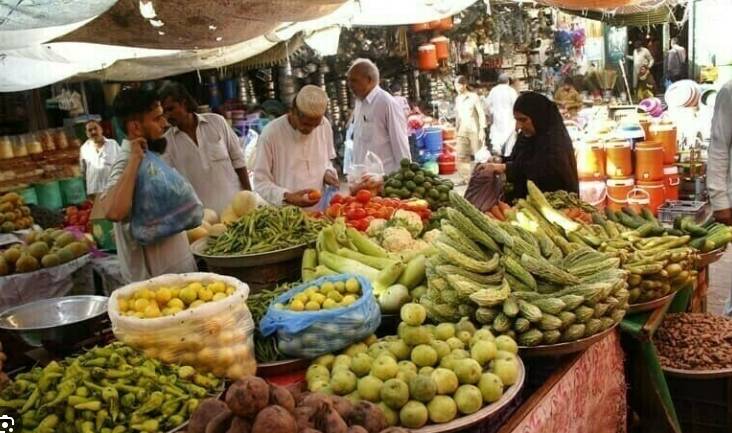

ISLAMABAD: Pakistan’s annual inflation, measured by the Sensitive Price Indicator (SPI), increased by 11.32 percent for the week ended October 29, 2026, as higher food and energy prices continued to put pressure on household budgets, reported 24NewsHD TV channel.
According to data released by the Pakistan Bureau of Statistics (PBS) on Friday, the combined SPI declined by 0.35 percent week-on-week, providing some short-term relief to consumers.
The SPI measures weekly price movements of 51 essential commodities collected from 50 markets across 17 cities in Pakistan.
The PBS reported that electricity charges for the first consumption quintile declined by 3.92 percent during the week. Chicken prices fell by 2.95 percent, eggs by 2.81 percent, wheat flour by 0.83 percent, and LPG by 0.73 percent.
Prices of bananas, rice, pulses, petrol, sugar and powdered milk also recorded decreases.
However, tomato prices surged by 34.91 percent week-on-week, while potatoes became 3.27 percent more expensive. Diesel prices increased by 2.53 percent and gram pulse by 2.11 percent.
Of the 51 monitored commodities, prices of 15 increased, 12 declined, and 24 remained unchanged.
On a year-on-year basis, LPG recorded the highest increase of 106.86 percent, followed by electricity charges for the first consumption quintile at 52.38 percent.
Diesel and petrol prices increased by 45.13 percent and 43.61 percent, respectively, while wheat flour became 34.87 percent more expensive. Chicken prices also rose by 31.72 percent.
Conversely, potato prices declined by 38.67 percent annually, followed by tomatoes (27.99 percent), eggs (26.70 percent) and sugar (25.21 percent).
The annual SPI increase highlights the continuing impact of higher essential commodity and energy costs on consumers, despite the marginal weekly decline.