

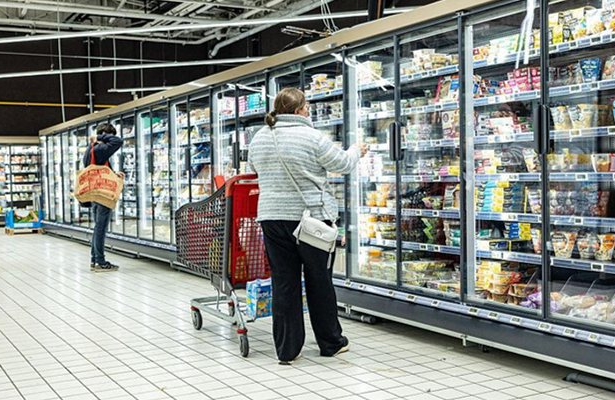

NEW YORK: A wave of cyberattacks targeting supermarket refrigeration systems across Europe has disrupted cooling operations in several countries, raising concerns about food safety, supply chains and the growing vulnerability of essential retail infrastructure.
According to reports, supermarkets in Sweden, Belgium and Luxembourg have been affected by the cyber incidents, with refrigeration and cooling systems malfunctioning at multiple stores.
The disruption has reportedly affected 13 stores in Ireland and 15 outlets in Belgium, where cooling systems were damaged or stopped functioning properly following the attacks.
One of the most alarming developments was reported in Sweden, where temperatures inside some supermarket freezers reportedly climbed to as high as 50 degrees, potentially putting frozen food products at risk.
The incidents have prompted concern among European authorities over the possible consequences for food distribution and the safety of products stored in supermarket refrigeration facilities.
Refrigeration systems play a critical role in preserving meat, dairy products, seafood, frozen foods and other perishable items. Any prolonged disruption can lead to significant food losses, financial damage for retailers and potential health risks for consumers.
The latest incidents have also highlighted how cybercriminals can target systems that are not traditionally considered part of a company’s main information technology network.
Modern supermarkets increasingly depend on digitally connected equipment to control refrigeration, monitor temperatures and manage energy consumption. If these systems are compromised, even a cyberattack that does not directly target payment networks or customer databases can disrupt essential store operations.
The European incidents have renewed memories of a similar attack reported in France last month, when supermarket refrigerators were also reportedly hacked.
Meanwhile, concerns about possible similar cyber threats have extended beyond Europe. Authorities in Israel have reportedly issued alerts to supermarkets and food companies over the risk of comparable cyberattacks targeting refrigeration and other essential systems.
The growing incidents have raised questions about whether food retailers have adequate cybersecurity protections for their operational technology, including cooling equipment and automated temperature controls.
Experts have increasingly warned that cyberattacks on critical infrastructure can have consequences far beyond stolen data or disrupted computer networks.
With supermarkets forming an essential part of everyday food distribution, authorities and retailers now face growing pressure to strengthen digital security and ensure backup systems are available to prevent disruptions.
The latest attacks demonstrate how vulnerabilities in seemingly ordinary equipment, such as supermarket freezers and refrigerators, can potentially become a wider threat to food security and public safety.