Iris Catholique has lived for 30 years in what is now the Thaidene Nëné Indigenous Protected Area. Straddling the tree line between the boreal forest and the tundra, this swath of old-growth spruce forests, waterfalls, deep freshwater lakes and ancient ice sheets is where both her sons had their first caribou harvest when they were 10 years old.
Like many others before her, Catholique, a member of the Łutsël K’é Dene First Nation in Canada’s Northwest Territories, has taught her children how to keep Indigenous traditions alive. “Our deep relationships with and intimate knowledge of the tundra, the forest, the lakes and the rivers, and all of the animals that call those different landscapes home is what has sustained us for millennia,” she said.
For generations, however, these relationships have been threatened by the increasingly severe impacts of climate change — including more frequent wildfires and melting permafrost — as well as industrial development from oil and gas exploration, logging and mining which have pushed deeper into the region, razing trees in search of profits.
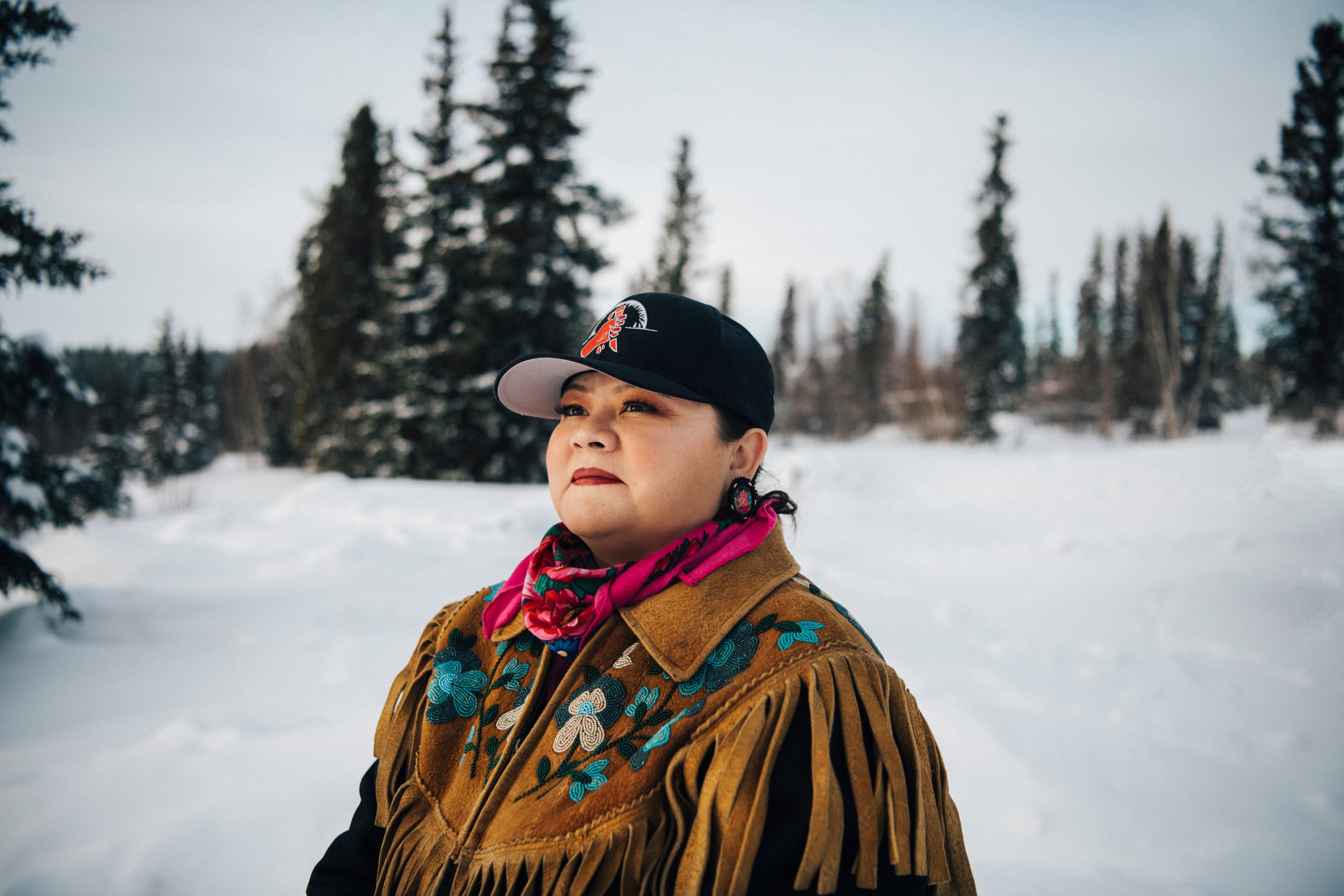
Catholique and her community hope that the 2019 creation of Thaidene Nëné (meaning “land of the ancestors”), which spans 6.5 million acres and includes a national park and wildlife conservation areas, will help protect this part of the forest and guarantee the community’s traditions can continue.
But extractive industries and the climate crisis still threaten the rest of the boreal region and scientists fear that this critical ecosystem may be approaching a point of no return.
The Carbon The World Forgot
It may not be as well known as the lush rainforests further south, but it has a vital role in protecting us from climate change. “People don’t appreciate the amount of carbon that’s in the boreal,” said Jeff Wells, the vice president of boreal conservation with the Audubon Society. He calls the forests “the carbon the world forgot.”
Tropical forests may sequester more carbon from the atmosphere annually, but boreal forests store roughly 30% to 40% of all land-based carbon in the world, most of it in the soil. Colder temperatures in the northern hemisphere prevent dead biomass — such as leaves and wood — from breaking down, meaning vast amounts of carbon have accumulated over thousands of years and are stored deep in the permafrost.
The boreal’s vital role in holding back spiraling climate crisis makes the threats it faces all the more concerning.
Boreal forests are warming twice as fast as other parts of the globe, causing permafost to thaw, which releases planet-heating carbon dioxide and methane. Higher temperatures also bring an increase in pests that damage and kill trees.
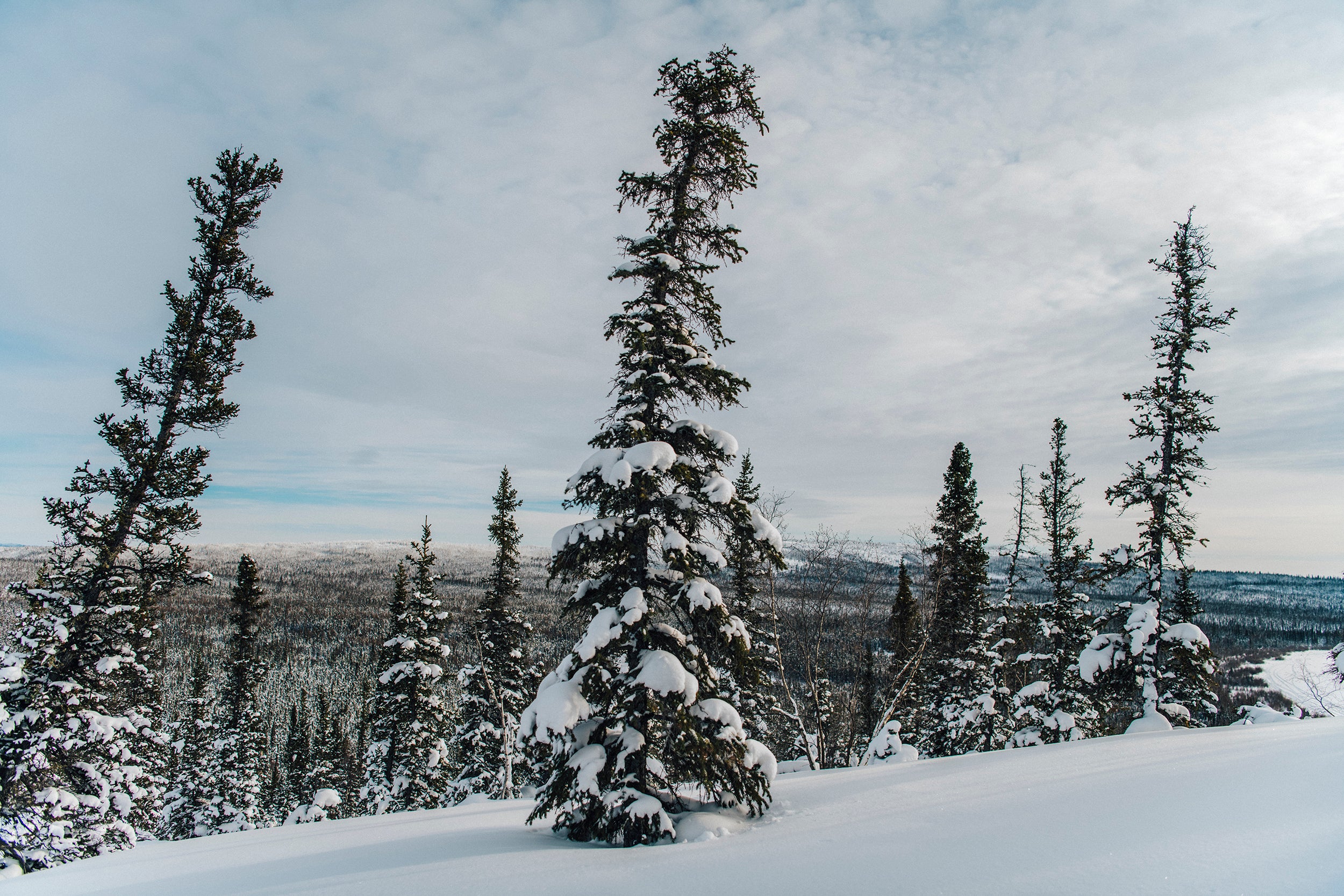
Then there are the wildfires, burning vast swaths of the forest. While fires are typically a vital part of the boreal ecosystem, with some plant species even relying on the heat to disperse their seeds, researchers say recent forest fires are alarming. They are becoming more frequent and more intense and have the potential to release the “legacy carbon” deeply buried within the boreal soil, which doesn’t usually burn in fire season.
In the Siberian boreal, fires engulfed 17 million acres of forests in just two months in 2019, then about 27 million acres in the first half of 2020. In Alaska, the number of major fires — those burning through more than 1 million acres — has increased from one nearly every five years during 1950 to 1989, to one every 2.5 years between 1990 and 2018.
Habitat loss from forest fires and climate change, as well as from industrial activity, is putting the wildlife in the boreal region at risk, from caribou and wolverines in Canada to Siberian tigers in Russia.
Climate researchers fear these problems are only getting worse and could push the boreal forests to a tipping point at which they flip from being a major carbon sink to becoming a carbon emitter.
Industry Has Long Had Its Eyes On The Forests
In addition to the climate threat, industrial activity is also eating away at the forest. And this has been particularly stark in Canada.
More than 20% of North America’s boreal forest has been given over to concessions for industrial activities such as logging, fossil fuels, hydroelectric power and mineral extraction.
“The boreal has always been exploited by humans,” said Dennis Murray, professor of ecology at Trent University in Peterborough, Ontario — from the fur trade in the 1600s to forestry, and now oil and gas exploration and logging.
Canada’s boreal forests have some of the highest rates of deforestation of any intact forest landscapes on the planet. Every year, the logging industry alone cuts down nearly 1 million acres to produce timber, biofuels and even toilet paper, according to a 2020 report from Nature Canada.
“The paper products that we use [in the U.S.] to wipe up a spill on the kitchen counter … might have come from the boreal forests,” said Wells.
Fossil fuel companies are here too, many for the bitumen that lies beneath the forest. In Alberta, nearly 2 million acres of the boreal forest — an area almost 10 times the size of New York City — were razed between 2001 and 2013 to access oil sands, according to data from Global Forest Watch. Alberta’s tar sands region took over habitat that would have supported up to 400,000 breeding birds, said Wells.