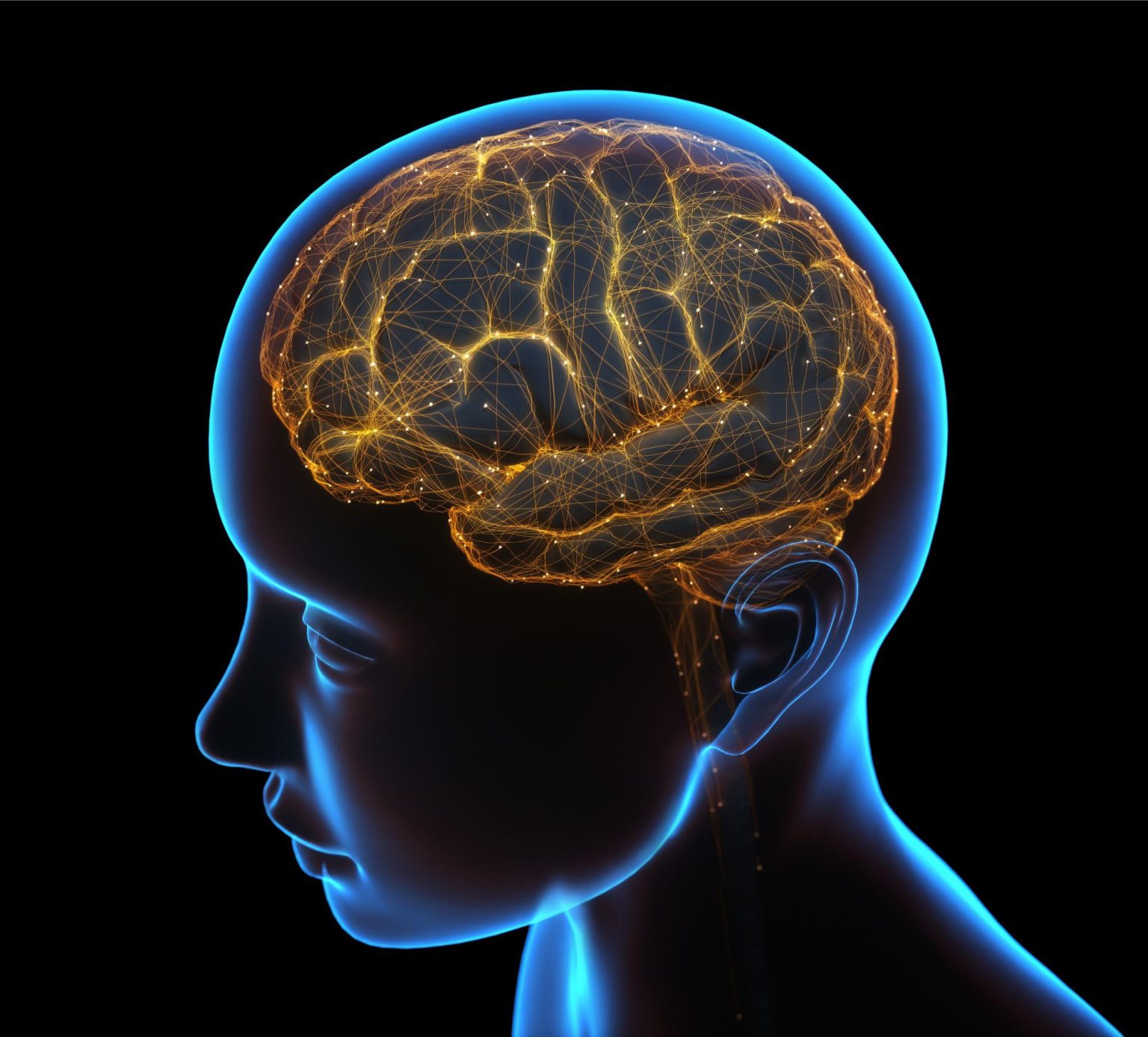

Researchers are using a groundbreaking technique to visualize a crucial molecule involved in neurotransmission in patients with diverse psychiatric disorders.
Psychiatric disorders like schizophrenia, bipolar disorder, and autism spectrum disorder (ASD) are relatively common, yet diagnosing and treating them remains complex. Although clinicians can identify the clinical symptoms associated with these disorders, our knowledge of their biological characteristics and underlying physiological causes is still limited.
Experts agree that problems with synapses—the connections that allow communication between neurons—might be a defining feature of many psychiatric disorders. In theory, if we could analyze the characteristics of synapses in patients with psychiatric disorders, it would be possible to understand their biological basis. However, thus far, observing synapses in live humans has been challenging, and the progress in this area has been limited.
Fortunately, researchers from Yokohama City University (YCU) and other institutions in Japan have been actively working toward a solution to this problem.
In a paper published in Molecular Psychiatry on October 15, 2024, a team of researchers led by Professor Takuya Takahashi from YCU reported a new technology to visualize α-amino-3-hydroxy-5-methyl-4-isoxazole propionic acid (AMPA) receptors using positron emission tomography (PET) and a special chemical tracer called [11C]K-2. As AMPA receptors are one of the most important molecules in neurotransmission, this method could potentially teach us a lot about the mechanisms of psychiatric disorders.
PET Imaging Study on Psychiatric Disorders
In this study, Takahashi and colleagues conducted PET scans of the brains of 149 patients with psychiatric disorders. Using the [11C]K-2 tracer, they visualized the density of AMPA receptors throughout different regions of the brain and explored its relationship with disease severity for ASD, depression, schizophrenia, and bipolar disorder. In addition to this, the team also compared AMPA receptor density between patients with these disorders and healthy subjects. “Identifying both unique and shared brain regions with altered AMPA receptor density offers new insights into the biological mechanisms of psychiatric disorders,” highlights Takahashi.