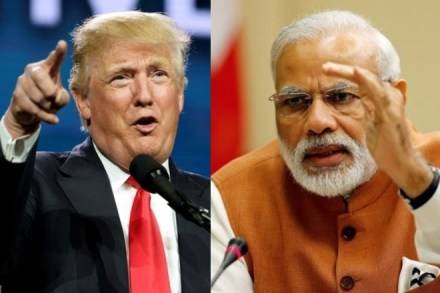

Relations between India and the United States have entered a period of sharp deterioration during President Donald Trump’s second term, dealing a significant economic and political setback to Prime Minister Narendra Modi’s government, according to an analysis published by the Financial Times.
The 24NewsHD TV channel reported that the Financial Times report noted that the growing strain in bilateral ties has had a direct impact on India’s most influential billionaires, undermining years of effort to cultivate economic and political goodwill in Washington. It attributes the downturn largely to the Modi government’s Hindutva-oriented domestic agenda and what it describes as a contradictory and opportunistic foreign policy, which has increasingly alienated US policymakers.
Despite spending millions of dollars on powerful lobbying firms, Indian corporate elites have failed to stabilise trade relations with the United States. The persistence of legal cases against industrialist Gautam Adani, the report observes, underscores the limits of personal diplomacy and corporate lobbying in influencing American legal and regulatory priorities.
The Financial Times further argues that India’s standing as a dependable US partner in South Asia has eroded following strategic and diplomatic setbacks, leaving Washington less confident in New Delhi’s ability to manage regional challenges. This erosion of trust has been reflected in the near absence of direct engagement between Modi and Trump amid an escalating tariff dispute.
The situation has grown more difficult for India as Trump has simultaneously sought closer ties with Pakistan, signalling a recalibration of US regional priorities. Analysts warn that India now faces the prospect of intensified economic and legal pressure should it continue to diverge from Washington’s expectations.
Experts cited in the report point to US dissatisfaction over India’s continued import and refining of Russian oil, as well as the imposition of a 50 percent tariff on Indian products, as evidence that Washington no longer accepts New Delhi’s assertion of strategic autonomy. Major conglomerates, including those linked to Mukesh Ambani, are said to have earned billions of dollars through refining discounted Russian crude, further fuelling US concerns.
Although the United States once viewed India as a crucial counterweight to China, analysts say New Delhi’s recent behaviour has raised doubts about its reliability. Heightened India–Pakistan tensions and the risk of broader regional confrontation have only deepened American scepticism, casting uncertainty over the future trajectory of India–US relations.