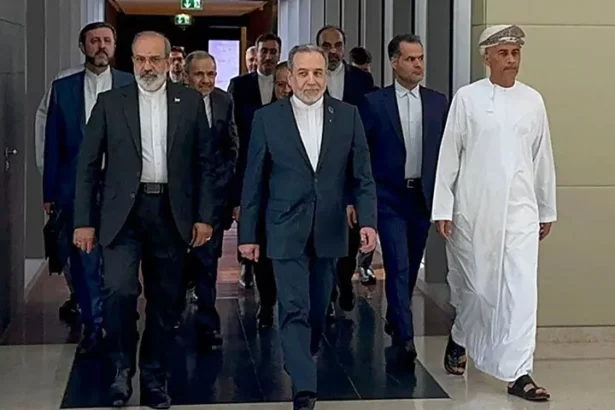

Talks between Iran and the United States in Oman concluded on Friday. Both sides agreed to continue negotiations. The discussions focused on Tehran’s nuclear program. Officials said future talks will be planned in consultation with their capitals.
Iranian Foreign Ministry spokesperson Esmaeil Baqaei said the talks were constructive. He added that both sides explained their positions and demands. The next round of negotiations will be scheduled later.
Iranian Foreign Minister Abbas Araghchi described the discussions as “very positive.” He said arguments were exchanged respectfully. He confirmed that both sides agreed to continue the dialogue. Details about timing and the agenda will be decided later.
The negotiations are taking place amid growing tensions in the Middle East. The United States wants the talks to include Iran’s nuclear program, missile development, regional influence, and human rights record. Iran insists that discussions should focus solely on its nuclear activities.
Araghchi emphasized Iran’s stance on diplomacy. He said the country engages in talks in good faith. He added that commitments must be honored. “Mutual respect, equality, and common interest are essential for a durable agreement,” he said.
Iran is willing to show some flexibility on uranium enrichment. Officials have proposed handing over highly enriched uranium under a consortium arrangement. Tehran insists, however, that its right to enrich uranium is not negotiable. Iran maintains that its nuclear work is for peaceful purposes only.
Tensions between the two countries remain high. The United States has deployed naval forces near Iran. President Donald Trump has warned of potential military action. Iran has promised harsh retaliation to any attack. Neighboring countries hosting US bases could also be at risk, Tehran has cautioned.
Experts warn that without compromises, the risk of conflict remains significant. Edmund Fitton-Brown, a senior fellow at a Washington think tank, said that it is difficult to see a breakthrough unless Iran makes concessions.
The United States has also issued a travel advisory for its citizens in Iran. The advisory urges Americans to leave by land to Armenia or Turkey if it is safe. It mentions restricted mobile and internet access, limited flights, and road closures. Citizens unable to leave are advised to stay indoors, stock essential supplies, and avoid demonstrations.