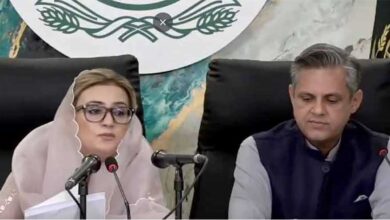


Pakistan and Saudi Arabia have agreed to deepen economic cooperation and explore joint entry into fast-growing regional markets, following high-level talks between Federal Commerce Minister Jam Kamal Khan and Saudi Assistant Minister for Investment Ibrahim Al-Mubarak in Islamabad on Wednesday.
According to an official statement issued by the Ministry of Commerce, both sides focused on strengthening economic integration by combining Pakistan’s manufacturing and production base with Saudi Arabia’s financial capacity, global market access and regional connectivity.
Targeting High-Growth Regions
During the meeting, the two delegations identified Central Asia, Africa and ASEAN countries as promising destinations for joint ventures and trade expansion. These regions were described as high-growth markets with strong demand for food products, construction materials and light manufactured goods.
Officials said the two countries aim to adopt a complementary approach — leveraging Pakistan’s production strengths and Saudi Arabia’s investment capital and logistics networks — to establish a competitive presence in these emerging markets.
The move reflects a broader push by both governments to diversify trade partnerships and reduce reliance on traditional export destinations.
Saudi Interest in Corporate Farming
Agriculture and food security emerged as a central theme of the discussions. The Saudi side expressed keen interest in corporate farming initiatives in Pakistan, particularly in the rice sector. Talks covered modern farming techniques, mechanization, storage infrastructure and logistics systems to ensure consistent quality and long-term supply under structured export arrangements.
The two sides also discussed cooperation in fodder production, meat processing and other agricultural commodities, with the potential involvement of Saudi financing institutions in export-oriented agricultural and infrastructure projects.
Officials noted that corporate farming and mechanization could help address long-standing productivity issues in Pakistan’s agriculture sector. Crops such as cotton have witnessed declining yields in recent years, largely due to outdated farming practices and rising labor costs. Introducing advanced technology and large-scale farming models was described as a possible solution to enhance competitiveness.
Skills Development and Workforce Collaboration
Human resource development was another priority area during the talks. Both countries acknowledged shortages in mid-level skilled workers, including nurses, caregivers, technicians and hospitality professionals.
The Saudi delegation expressed willingness to explore vocational training models in Pakistan that directly link training programs to overseas employment opportunities. Such “train-to-deploy” initiatives could help streamline workforce placement in Saudi Arabia while addressing Pakistan’s unemployment challenges and boosting remittance inflows.
Expanding Industrial Cooperation
Beyond agriculture and labor mobility, the meeting reviewed prospects for collaboration in several industrial sectors. These included building materials, pharmaceuticals, sports goods, footwear and light manufacturing.
Both sides agreed to organize sector-specific workshops and facilitate business-to-business engagements to convert policy alignment into practical trade and investment outcomes. Officials emphasized the importance of private-sector participation to ensure sustainable growth in bilateral economic ties.
Strengthening Strategic Economic Ties
The discussions form part of ongoing efforts to enhance economic relations between Pakistan and Saudi Arabia, which have traditionally been anchored in energy cooperation and labor exports. The latest engagement signals a shift toward broader trade diversification, joint investments and value-added production partnerships.
Observers view the initiative as a step toward institutionalizing economic collaboration, moving beyond traditional frameworks and focusing on long-term, mutually beneficial ventures in regional and global markets.