
The United States and Iran have resumed high-level diplomatic negotiations in Geneva. The talks come amid growing tensions over Iran’s missile program and an unprecedented US military buildup in the Middle East.
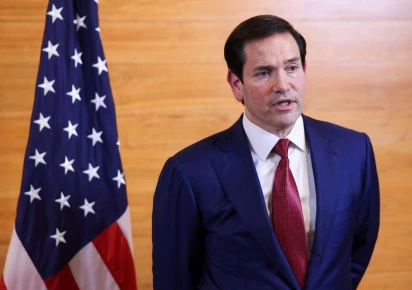
US Secretary of State Marco Rubio warned that Iran’s refusal to discuss ballistic missiles is a major obstacle. He said that while nuclear talks are important, broader security issues, including missiles, must also be addressed. Rubio made the remarks during a visit to Saint Kitts and Nevis.
President Donald Trump has previously accused Iran of developing missiles capable of reaching the United States. He has emphasized that diplomacy is preferred, but military options remain on the table if Iran does not cooperate.
Iranian officials, including Foreign Minister Abbas Araghchi, have pledged to approach the Geneva talks with seriousness and flexibility. Tehran insists the discussions will focus only on nuclear issues and sanctions relief. Iran also emphasized that it will not abandon its right to peaceful nuclear technology.
The Geneva negotiations are mediated by Badr Albusaidi, Oman’s foreign minister. US representatives include Special Envoy Steve Witkoff and Jared Kushner, President Trump’s son-in-law.
The talks are part of ongoing efforts to resolve a decades-long impasse over Iran’s nuclear program. Western governments and Israel fear Iran could develop nuclear weapons under the guise of its civilian program. Iran maintains that its nuclear program is for peaceful purposes only.
Tensions have been heightened by the largest US military deployment in the region since the 2003 Iraq invasion. The US has sent aircraft carrier strike groups, destroyers, cruisers, and F-22 fighter jets to Israel. The USS Gerald R. Ford aircraft carrier has departed near Crete and is expected to reach northern Israeli waters by Friday. Officials have not formally announced these deployments.
The US aims to pressure Iran into making concessions without resorting to military conflict. Analysts warn that the combination of high-level talks and heavy military presence could escalate tensions in the region.
President Trump has set a short timeline for Iran, warning that the country must reach a deal within 10 to 15 days or face serious consequences. Tehran has expressed willingness to negotiate swiftly but remains firm on its core nuclear rights.
The ongoing talks will determine whether diplomacy can prevent a major military confrontation. Observers around the world are closely monitoring developments, particularly in energy markets. Oil prices have risen slightly amid concerns over potential supply disruptions, though gains are limited by growing US crude inventories.
Saudi Arabia has also increased oil production and exports as a precautionary measure in case any conflict disrupts Middle Eastern supplies.